New Home Decorating Checklist: A Room-by-Room Plan for Movers
You just got the keys. The rooms echo, the boxes are stacked, and there is a powerful urge to drive straight to the nearest furniture store and fill the void. Resist it. The most expensive decorating mistakes happen in the first two weeks, when people buy a sofa that does not fit, paint a colour they regret, or hang lights in the wrong spots. This new home decorating checklist gives you a calm, room-by-room order of operations so every purchase builds toward a home that actually feels finished — not a pile of impulse buys.
The single best habit before you start: walk through each empty room with your phone and photograph it. Empty rooms are the perfect canvas for previewing ideas, and you will use those photos in almost every step below.
Before you buy any furniture
The cardinal rule of moving in: live in the space first. Spend at least a week noticing how light moves through each room, where you naturally drop your keys, which corner is freezing in the morning. These observations are worth more than any mood board.
While you wait, do the free work. Measure every room, every doorway, and every window. Note plug and switch locations. Then take that empty-room photo from the doorway at eye level. Instead of guessing whether a sectional or two armchairs suits the living room, upload that photo to the Architectural AI demo and preview real layouts and furniture before a single delivery van is booked. Catching a “that is too big” mistake on screen costs nothing; catching it after delivery costs a restocking fee and a weekend.
Prioritise rooms in the right order
You cannot decorate everything at once, and trying to is how budgets evaporate. Rank your rooms by daily impact:
- Bedroom — you need to sleep well from night one. A bed, blackout, and a lamp beat a perfect living room.
- Kitchen and bathroom — functional essentials. These are usually about organisation, not decoration.
- Living room — the social heart, but it can stay sparse for a few weeks without ruining your life.
- Entryway — small but high-leverage; it sets the tone every time you walk in.
- Spare rooms, office, outdoor — last, once the essentials are settled.
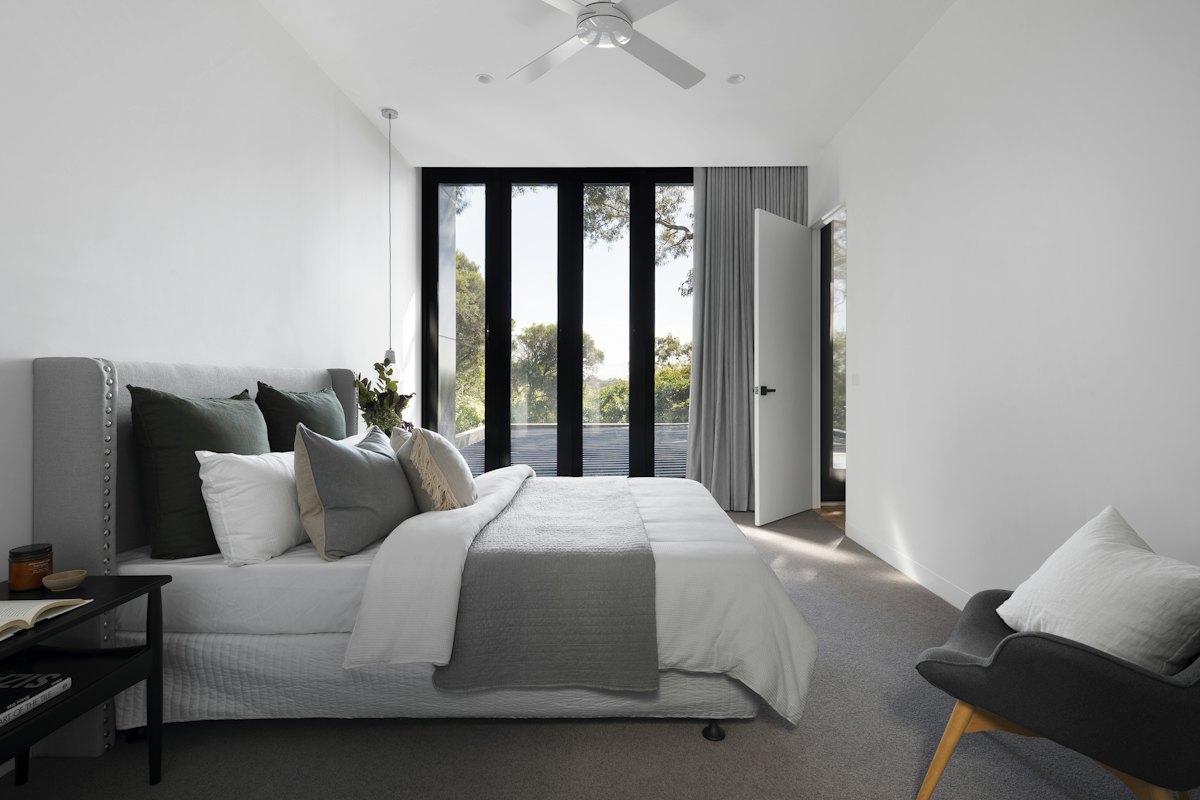
Decorating the bedroom first means you always have one finished, restful room to retreat to while the chaos continues elsewhere. For layout-specific ideas, browse the Architectural AI blog, which has room-by-room guides.
Set a cohesive style early
The fastest way to make a home feel disjointed is to buy each room in a different mood — Scandinavian sofa here, industrial shelves there, farmhouse table somewhere else. Pick a through-line first: a primary style, a wood tone, and a small palette of two or three colours that repeat across rooms.
This is where previewing pays off hugely. Rather than committing to a style from a single showroom photo, run your own empty rooms through several looks and see which one suits your light and architecture. Explore the full style library to find a direction, or open the themed worlds if you want a more characterful, all-in aesthetic. Test the same style across two or three rooms before you commit — cohesion is far easier to plan than to fix.
Make a lighting plan
Lighting is the most overlooked decorating decision and the one renters and new owners regret most. Builder-grade overhead lights flatten a room. Aim for layers in every space:
- Ambient — the general fill (overhead or a few lamps).
- Task — focused light for reading, cooking, working.
- Accent — the mood layer that makes evenings feel warm.
Decide lamp positions before you buy furniture, because lamps need surfaces and outlets nearby. You can preview how a room reads in warm evening light versus cool daylight on your own photo, which helps you choose bulb temperature and lamp placement without trial and error. If you are unsure what a room needs, ask Architectural AI for tailored lighting suggestions based on your space.
Paint versus keep: decide before you commit
Paint is the cheapest dramatic change and the riskiest to get wrong. Before you tape off a single wall, preview the colour on your actual walls. A swatch the size of a postcard lies; it never accounts for your room’s light, floor, and trim.
Photograph the empty room and test paint colours digitally first. See the wall in sage, in warm white, in a moody navy — on your real surfaces — and only buy the cans once you have a clear winner. The same approach answers the “keep or replace” questions: preview the room with the existing flooring and fixtures kept versus swapped, so you spend renovation money only where it genuinely changes the feel.
Budget and phasing
Decorating a whole home in one purchase is neither realistic nor wise. Split your budget into phases:
- Phase 1 — Essentials (weeks 1–4): bed, seating, a table to eat at, basic lighting, window coverings.
- Phase 2 — Comfort (months 2–3): rugs, storage, the rest of the lighting layers, paint.
- Phase 3 — Character (months 4+): art, plants, the statement pieces that take time to find.
Spread across phases, you make calmer decisions and avoid buying filler you will replace. If you want to map this against a tool budget, the pricing page shows how previewing fits in — and previewing every big purchase first is the cheapest insurance against a costly mismatch.
Your printable-style checklist
Work top to bottom and tick each box:
- Photograph every empty room from the doorway
- Measure rooms, doorways, windows; note outlets and switches
- Live in the space for at least one week
- Pick a primary style, wood tone, and 2–3 colour palette
- Preview layouts in the bedroom, then living room
- Plan ambient, task, and accent lighting per room
- Test paint colours digitally on your real walls
- Decide keep-versus-replace for floors and fixtures
- Split spending into three phases
- Buy Phase 1 essentials only; schedule the rest
A new home rewards patience. Decorate in order, preview before you buy, and every purchase will earn its place.
Ready to see your empty rooms come to life? Try the Architectural AI demo and preview your first room in seconds.
Keep reading