Decorating Your First Place Together (Without a Fight)
The couples who decorate a first apartment together without fighting almost always do the same thing first: they talk about money, then they compare pictures instead of adjectives. A shared budget and a simple “his pick, her pick, and a blend” routine — previewed on photos of your real rooms — turns the two biggest triggers, spending and taste, into decisions you make side by side. Do those two things and the rest of decorating your first place together is mostly fun.
Start with the money talk, not the mood board
It’s tempting to dive straight into inspiration, but the fights that actually derail couples are rarely about beige versus greige — they’re about someone quietly thinking the other is spending too much. Get ahead of it with a short, unromantic conversation before you buy a single thing. A money-talk template that covers the essentials:
| Decide together | A sample agreement |
|---|---|
| Total budget | One number you’re both genuinely comfortable with |
| Per-room split | Bedroom 35%, living room 40%, kitchen/dining 15%, extras 10% |
| Check-in threshold | Anything over a set amount gets a quick “you good with this?” |
| Who buys what | Split by room or by errand so nobody’s tracking every receipt |
| Contingency | Hold back ~10% for the things you’ll only discover you need after moving in |
The exact percentages don’t matter; the agreement does. Writing the numbers down means the awkward money conversation happens once, calmly, instead of flaring up at checkout every weekend for two months.
Divide the rooms, not just the bill
A quiet source of friction is two people trying to co-author every single decision. You don’t have to. Give each partner a couple of rooms or zones they lead — one takes the bedroom and bathroom, the other takes the living room and kitchen, and you both weigh in on shared spaces without holding a veto over the leader’s small calls. Ownership reduces decision fatigue and gives each person a place that feels like theirs. It also makes the whole project move faster, because not everything needs a summit meeting.
The three-option rule (one pick, the other’s pick, and a blend)
For the decisions you do make together — the sofa, the wall color, the overall vibe of the living room — the trap is framing it as your idea versus theirs. Two options is a duel, and someone loses. Three options is a choice.
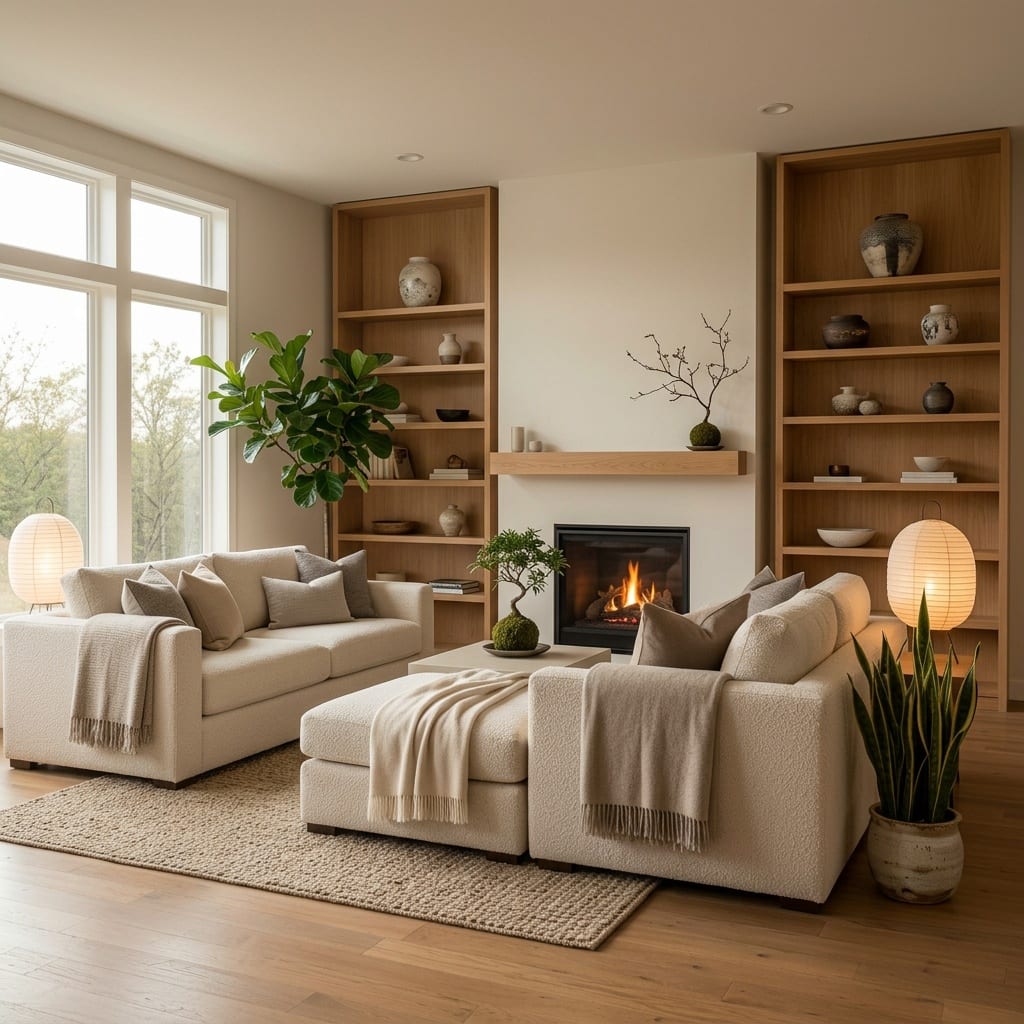
So for any contested room, put three directions on the table: one partner’s preferred style, the other’s, and a blend of the two. Choosing among three feels collaborative, and the blend is very often the one you both quietly wanted anyway. This is the core of how couples settle decor debates by showing rather than arguing — the pictures do the persuading so neither of you has to.
Veto etiquette
Give each person a small number of true vetoes — one or two per room — to remove an option they genuinely can’t live with, no explanation owed. The etiquette that keeps a veto from becoming a weapon: use it rarely, use it early (before your partner’s fallen in love with something), and pair it with an alternative rather than just a “no.” A veto is for the hard limits, not for winning the day.
Preview both visions before you buy a thing
Here’s the move that makes all of the above painless: stop debating styles in the abstract and preview them on your actual rooms. An AI room preview is a photorealistic mock-up generated from one photo of a real space, so you can see your living room in each person’s preferred style — and in a blend — in about ten seconds.
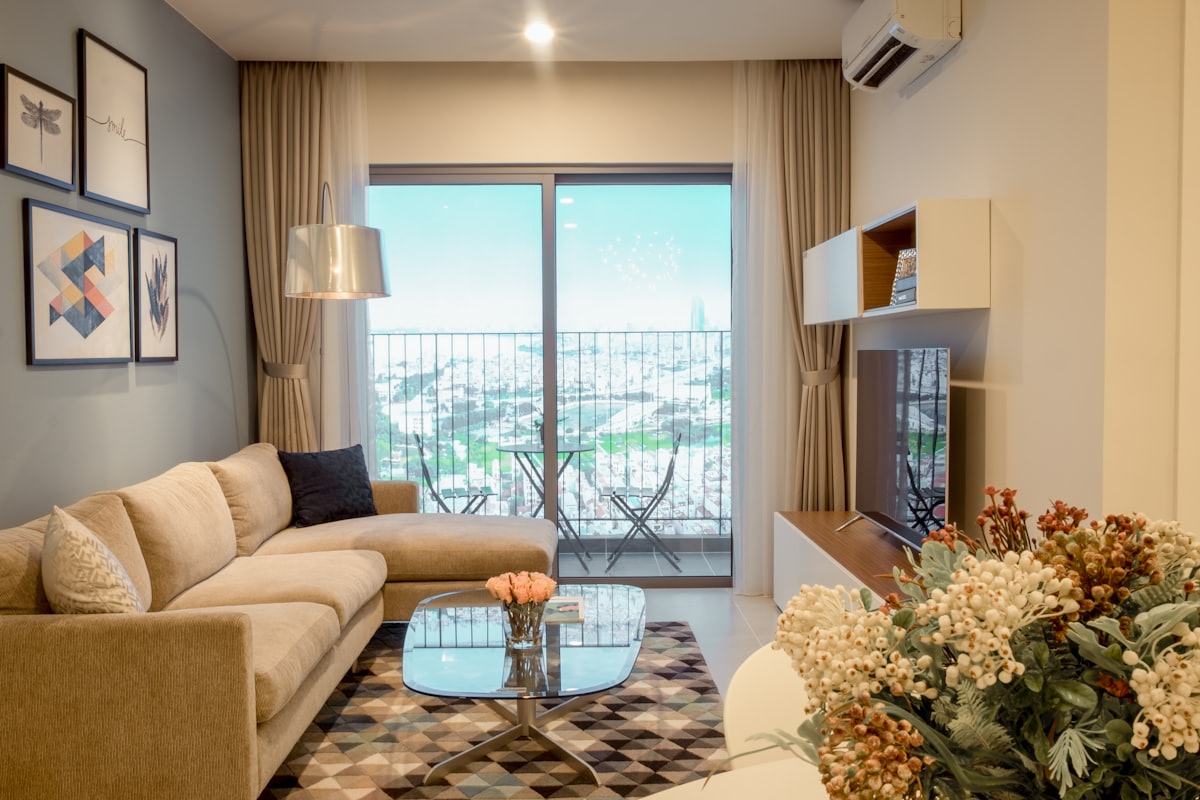
Photograph the room, generate one partner’s direction and the other’s, then a hybrid, and lay them next to each other. Suddenly you’re not arguing about whether “cozy” clashes with “minimal”; you’re pointing at two pictures of your room and going “that one.” It removes the fear on both sides — the minimalist sees that warmth doesn’t mean clutter, the maximalist sees that clean doesn’t mean cold — and it’s a lot cheaper than discovering the mismatch after the furniture arrives. Try it on your own space in the interactive demo, and use the palette picker when the disagreement is really about color, so you can test exact shades on a photo of the wall in question.
The small agreements that prevent big fights
A few tiny ground rules head off the arguments that blindside first-time cohabitants:
- One-in, one-out on shared surfaces. New decor is welcome, but the coffee table and entry console don’t become a dumping ground. Agree on it early and the place stays calm without anyone policing it.
- No solo big buys. Anything over your check-in threshold gets a two-minute conversation first — not for permission, but so nobody’s surprised by a sectional that arrived while they were at work.
- Give it a season before you judge it. Resist the urge to redo a room the week after you finish it. Live in it, notice what actually annoys you, then adjust with evidence instead of impulse.
- Keep one thing that’s purely theirs. Each partner gets a corner, shelf or wall that’s entirely their call — a little sovereignty makes compromise everywhere else feel generous instead of grudging.
These aren’t rules about taste; they’re rules about respect, and they’re the difference between a first place that brings you closer and one that turns every weekend into a negotiation.
Sequence it: what to decorate first
You do not have to finish a first apartment in a weekend, and trying to is its own source of stress. Spend first on the few things you use every single day and would regret cheaping out on — a good bed and mattress, a sofa you both actually like — and let the decorative layers arrive over the following months. A rushed, fully-furnished-on-day-one apartment tends to look like a showroom neither of you chose; a place that fills in gradually ends up feeling like both of you.
For a full room-by-room order of operations and a starter shopping list, our first apartment decorating guide lays out where to begin and what can wait. Pair it with the budget template above and you have a plan that protects your wallet and your relationship at the same time.
Frequently Asked Questions
How do couples decorate their first place together?
Start with a money conversation, not a Pinterest board. Agree on a total budget and per-room priorities first, then use a three-option rule — one partner’s pick, the other’s pick and a blend — previewed on photos of your actual rooms, so you choose between real pictures instead of arguing over adjectives.
How do you set a decorating budget as a couple?
Agree on one total number you’re both comfortable spending, split it across rooms by priority, and set a threshold above which any single purchase needs a quick check-in. Putting the number on paper before you shop removes most money tension before it starts.
What if you and your partner have different tastes?
Different tastes are an asset, not a problem — the blend is usually better than either extreme. Generate each person’s preferred style on the same room photo plus a hybrid, then compare. Seeing both visions side by side turns a taste clash into an easy pick.
How do you decorate a first apartment on a small budget?
Prioritize ruthlessly: spend on the few pieces you touch daily, like the bed and sofa, and save on decor you can swap later. Preview directions before buying so your limited budget goes toward things you’re both sure about instead of returns.
Furnishing your first place together? Take the guesswork out of it with Architectural AI — download it on the App Store, put both of your ideas on the same room photo, and agree on every space before you spend a dime.
Keep reading