How Couples Settle Decor Debates: Show It, Don't Argue It
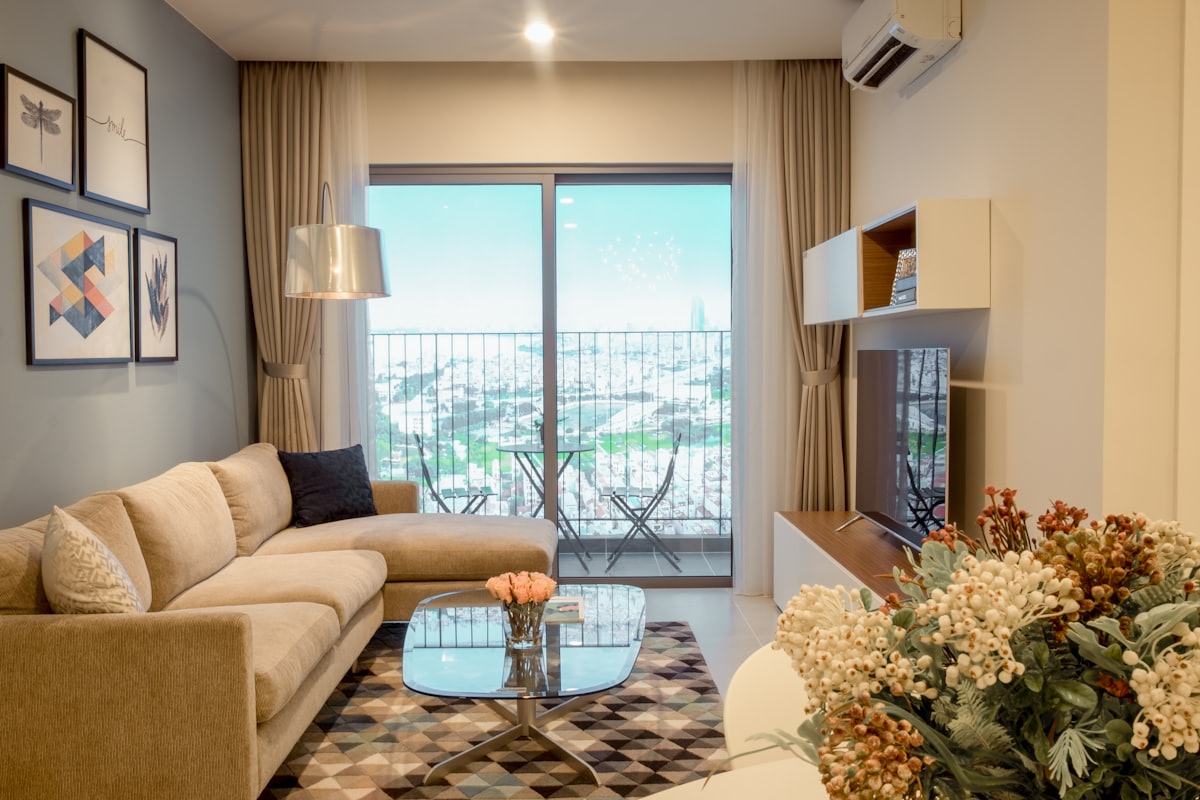
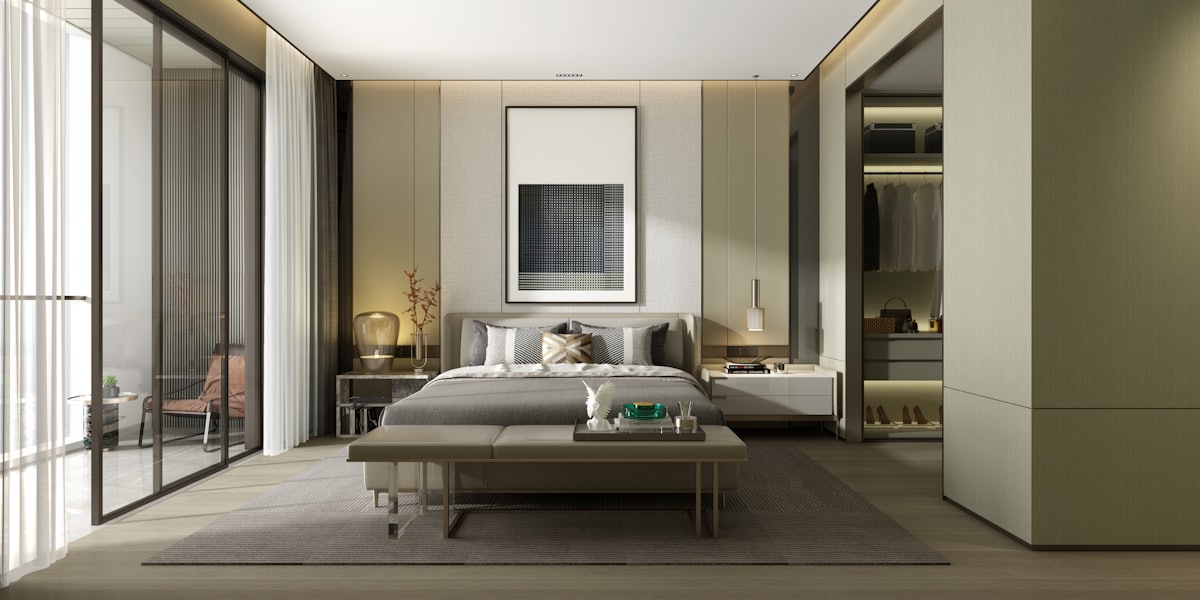
The fastest way for a couple to settle a decor disagreement is to stop describing what you want and start showing it — generate both visions on a photo of the same real room and compare them side by side. Most home-decor arguments aren’t really about taste; they’re about two people picturing different rooms and having no shared image to point at. When “cozy” and “minimal” or “dark walls” and “keep it light” become actual pictures of your living room, the debate usually resolves itself in minutes. Here’s a simple framework for doing exactly that.
Why do couples argue about decor in the first place?
Almost every decor standoff comes down to a communication gap, not a genuine values clash. “I want it warmer” and “I want it cleaner” sound opposed, but each person is holding a different picture in their head that the other can’t see. You argue past each other because you’re negotiating over invisible images.
The classic standoffs are familiar to anyone who’s shared a space:
- Dark walls vs light walls — one partner wants a moody, enveloping room; the other fears it’ll feel like a cave.
- Minimal vs cozy — one wants clean surfaces and negative space; the other wants layers, texture and warmth.
- Keep it vs replace it — the beloved old armchair or that inherited cabinet that one person sees as character and the other sees as clutter.
None of these are solvable by talking louder. They’re solvable by making the invisible visible.
How showing beats arguing
Here’s the core move: put both visions on the same photo of your real room and look at them together. Upload one picture of the space in question, generate it in each person’s preferred direction, and suddenly you’re not debating adjectives — you’re comparing two concrete outcomes of your room, with your windows, your light, your proportions.
This works because a picture removes the fear. The partner worried that dark walls will feel oppressive can see whether they actually do in this specific room. The partner who thinks minimal means cold can see it warmed by the right wood and textiles. Often the surprise is mutual: the version each person dreaded looks better than they feared, and the version each championed has a flaw they hadn’t anticipated. You can run both versions on your own photo in the interactive demo in the time it’d take to have the argument.
The before/after slider makes this even cleaner — you compare each proposed change against the room as it is now, so you’re judging real improvement rather than reacting to a bare idea.
Finding the blend, not the winner
The best outcome usually isn’t “she wins” or “he wins” — it’s a third option that satisfies both people. And AI makes finding that blend genuinely easy, because you can preview hybrid directions instead of arguing them into existence.
The perfect example is Japandi, which fuses Japanese minimalism with Scandinavian warmth — quite literally one partner’s clean lines plus the other partner’s coziness in a single, coherent style. A couple stuck between “too stark” and “too cluttered” often discovers that Japandi is the room they both actually wanted. Preview it on your space via the Japandi style or read the fuller Japandi design guide to see why it’s such a reliable peacemaker.
The same blending logic applies elsewhere: a moody accent wall instead of an all-dark room, a mostly-minimal space with two warm, personal focal points, or keeping the beloved chair but reupholstering it to fit a cleaner scheme. Browse the styles library together and you’ll find that most either/or fights have a satisfying “both” hiding in the middle.
A decision framework that keeps the peace
Comparing pictures is powerful, but a little structure stops it from becoming a new argument about which picture. A few simple rules:
- The three-option rule. Instead of pitting one person’s idea against the other’s, generate three directions: his, hers, and a blend. Choosing among three feels collaborative; choosing between two feels like a duel.
- Veto rounds. Each person gets to remove one option they truly can’t live with, no justification required. Whatever survives is genuinely acceptable to both of you.
- Separate the style fight from the layout fight. A lot of “I hate this” is really about where things are, not how they look. If you’re stuck, preview a layout change before relitigating the style.
- Decide one room at a time. Don’t try to agree on the whole home at once. Win the living room, build trust in the process, then move on.
The framework works because it reframes the whole thing from a contest into a shared search for the best picture — with the evidence right in front of you.
The “keep it or toss it” standoff
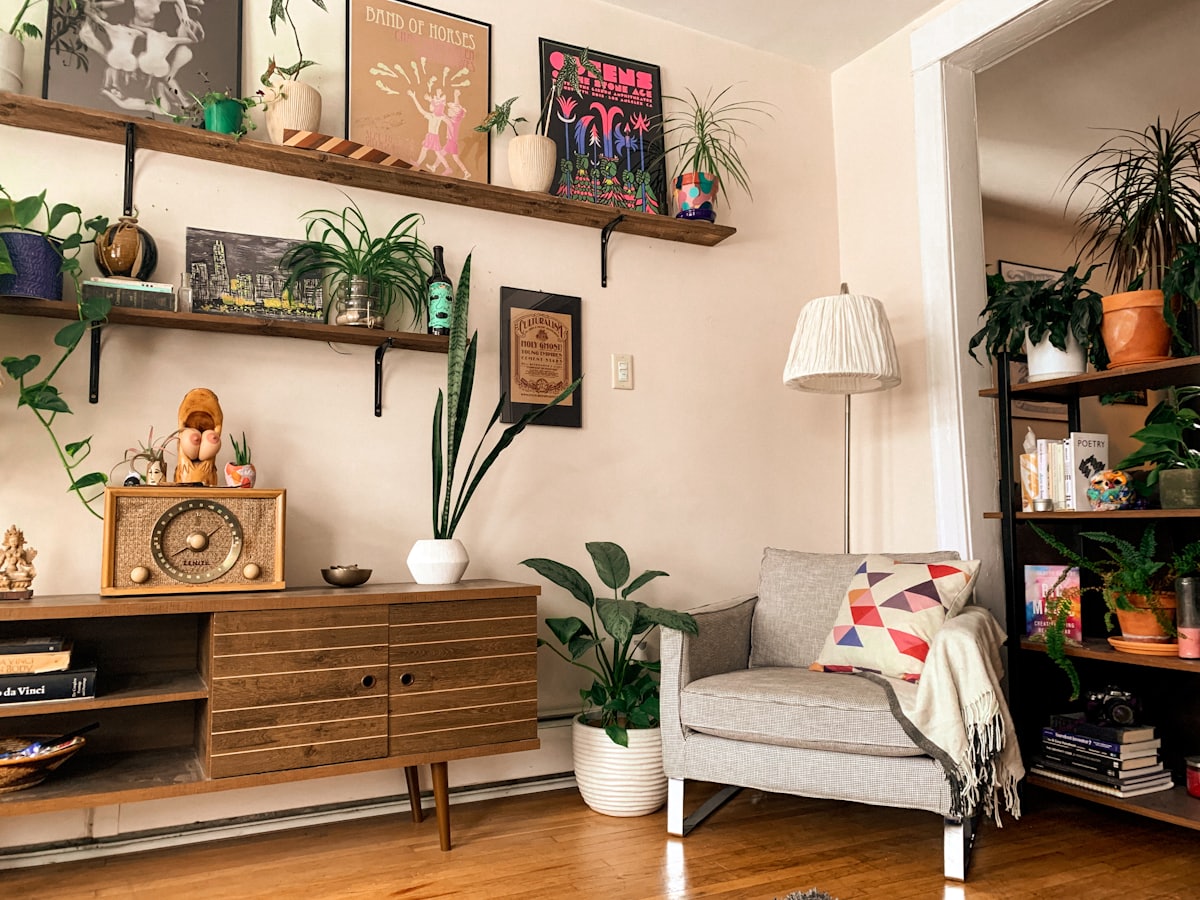
The hardest couple’s argument isn’t about color — it’s about a specific object. One partner’s beloved armchair, the inherited cabinet, the poster from a formative concert: one person sees history and character, the other sees clutter that doesn’t fit. These fights get heated because they’re partly about the room and partly about feelings, and no amount of debating “it’s ugly” versus “it’s meaningful” resolves them.
Previewing gives you a neutral referee. Generate the room with the contested piece styled thoughtfully into the new scheme, and generate it without. Sometimes the person who wanted it gone sees the chair reupholstered and integrated and realizes it can stay; sometimes the person defending it sees the cleaner version and quietly lets go. And often there’s a third path the render reveals — keep the object but move it, reframe it, or refinish it so it earns its place. Seeing the room both ways turns a values clash into a design choice you can actually make together.
The paint-color standoff, solved
Paint deserves its own mention because it’s the most common and most expensive couple’s argument. One person’s “greige” is another’s “boring beige,” and the stakes feel high because repainting is a real chore. Instead of debating chips under the hardware-store lights, preview both disputed colors on a photo of your actual wall, at full scale, in your room’s real daylight and evening light. Nine times out of ten, seeing the two shades on the real wall ends the discussion instantly — and it saves you from the special misery of painting a room twice.
What this looks like in practice
One partner wants a dark, dramatic living room; the other is convinced it’ll feel gloomy. Rather than compromise on a color neither loves, they photograph the room, generate the dark version, a light version, and a middle path with a single moody feature wall — then run each against the current room. The dark version turns out warmer and more inviting than the skeptic feared, but the feature-wall blend wins the veto round because it keeps the rest of the room bright. Ten minutes, no raised voices, one shared picture they both point at when the paint arrives. That’s the whole idea, and it’s the same pattern in our story of what happened when AI redesigned a real living room.
Frequently Asked Questions
How do couples agree on a decorating style?
Stop arguing in words and compare pictures. Generate each person’s preferred style on a photo of the same real room, then look at them side by side. Seeing both visions on your actual space turns an abstract taste argument into a concrete, easy choice.
Can AI blend two different styles into one?
Yes. You can preview a hybrid direction — for example Japandi, which combines one partner’s minimalism with the other’s warmth — on your own room. Blended styles are often where couples land, because they satisfy both people instead of picking a winner and a loser.
What’s a cheap way to end a paint-color debate?
Preview the disputed colors on a photo of your actual wall before buying anything. Testing both shades at full scale in your room’s real light usually settles the argument in seconds and saves you from repainting.
Can I see two visions of the same room?
Yes. Upload one photo and generate it in each person’s preferred style, then use a before/after comparison to weigh them. It’s the fastest way for two people to reach the same picture of what the room could be.
Settling a decor debate at home? Let the room decide with Architectural AI — download it on the App Store, put both of your visions on the same photo, and find the version you’ll both love.
Keep reading