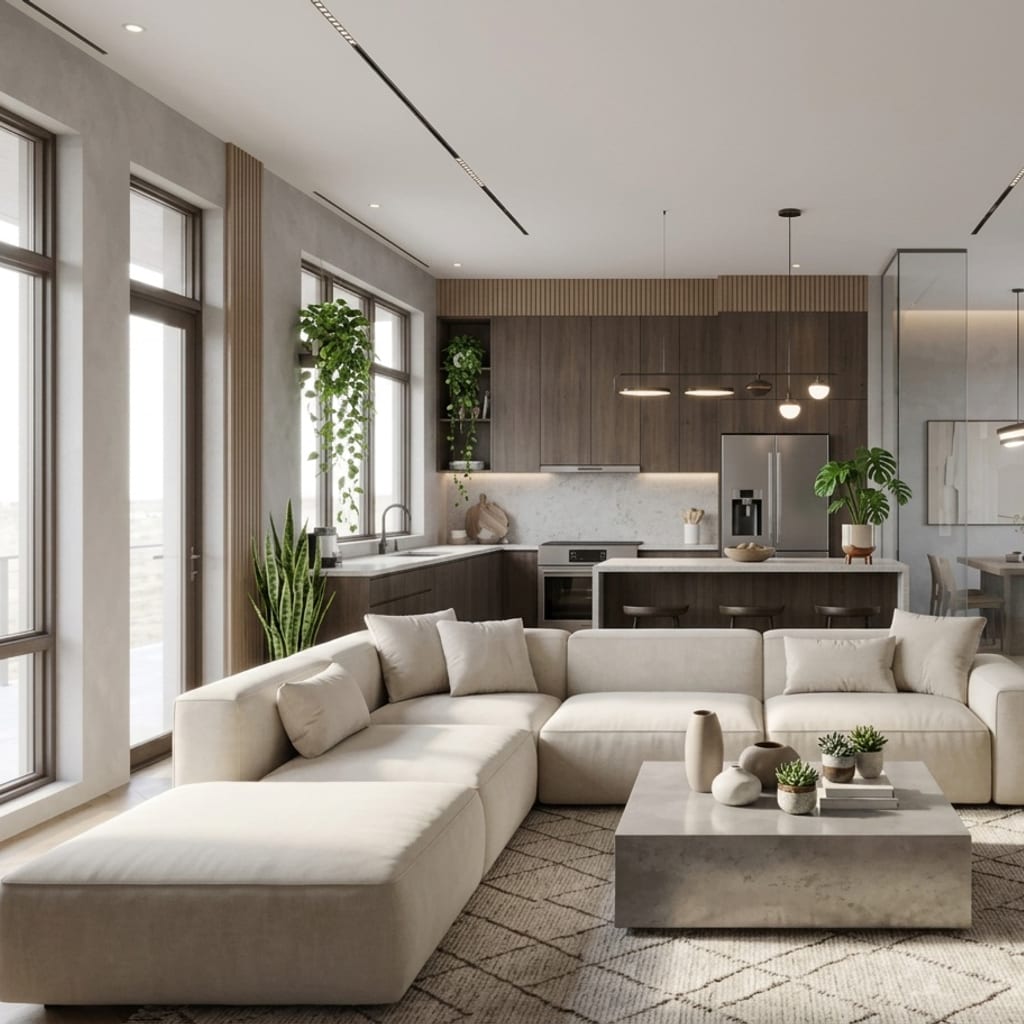
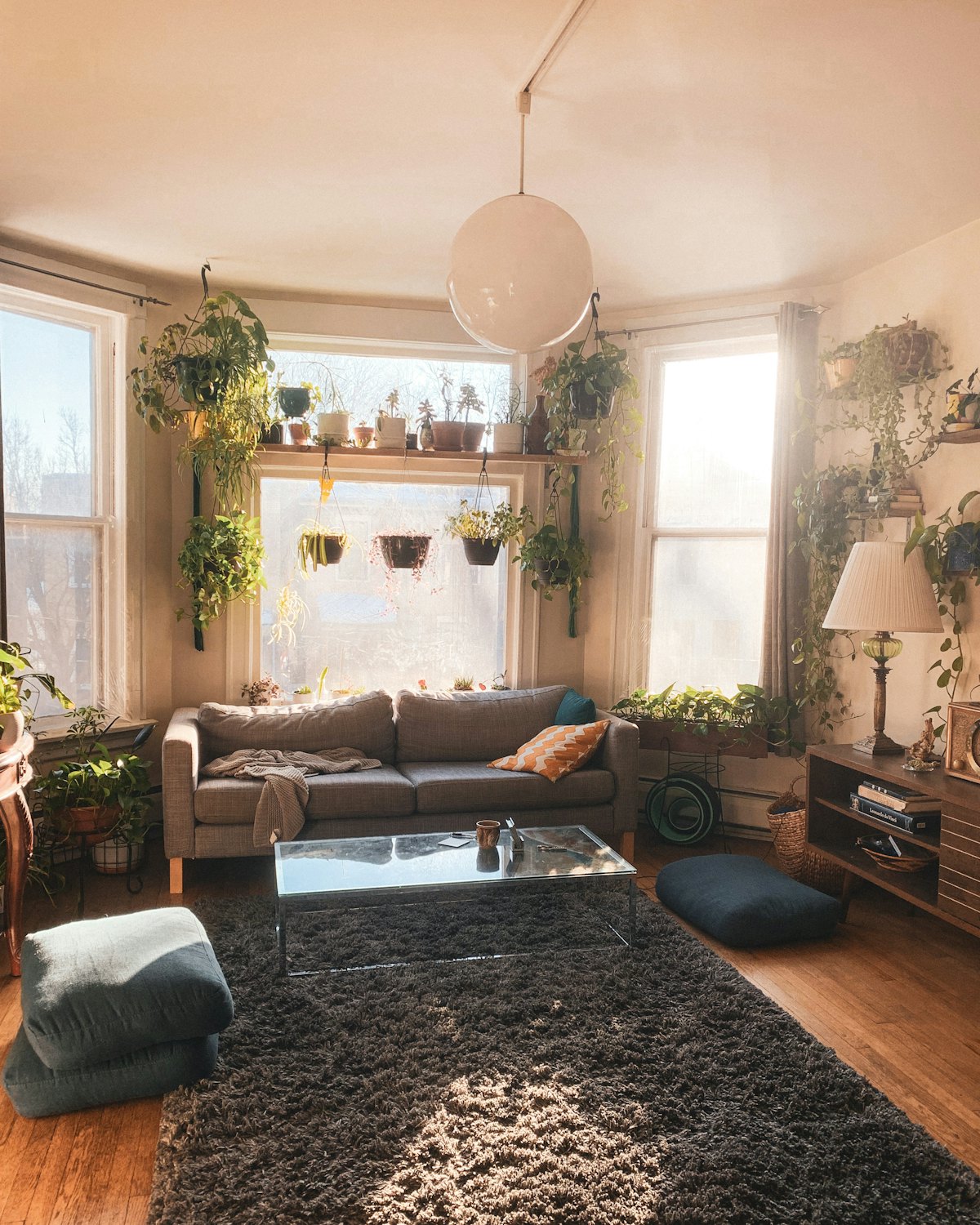
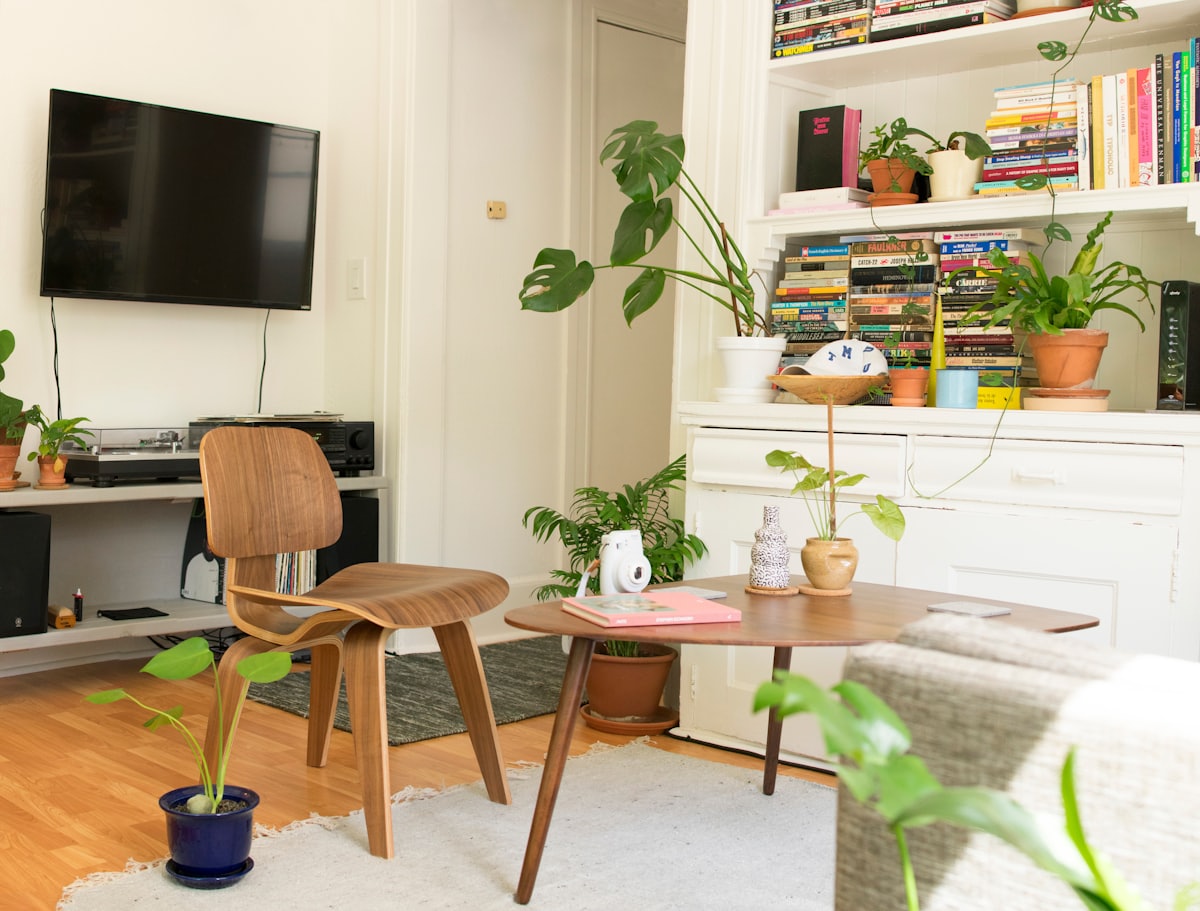
Renting With Pets: Protect the Deposit, Keep the Style
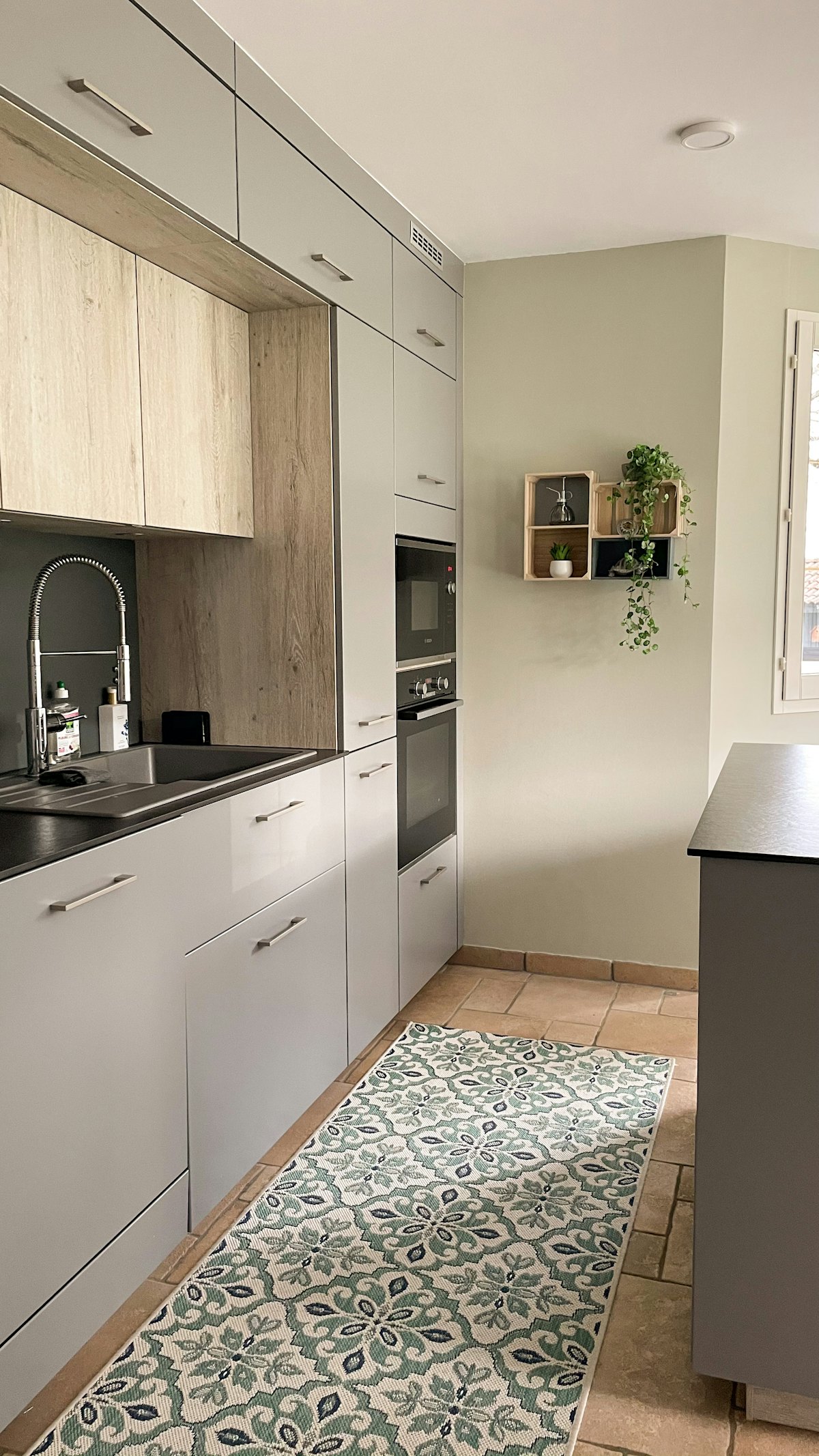
You can share a rental with a pet and still get your deposit back by understanding what a pet deposit really covers, protecting floors and walls with reversible layers, and previewing every change before you commit — including previews you show the landlord to unlock the bigger permissions. For renters, the deposit is the number-one source of anxiety, and adding a dog or cat doubles it: now you’re worried about scratched floors and chewed trim on top of the usual “can’t paint, can’t drill” constraints. The good news is that almost everything a pet threatens can be protected reversibly, and the changes you do need permission for are exactly the ones an AI preview can help you win. Here’s the playbook.
What does a pet deposit actually cover?
A pet deposit is money a landlord holds specifically against pet-related damage — and, as tenant guides generally explain, it typically covers damage beyond normal wear and tear, not the ordinary use every rental sees. That distinction is the whole game. Normal wear is the light fading and minor marks any tenancy produces. Pet damage is the extra: claw gouges in the floor, chewed door trim, stained or odor-soaked carpet, a scratched door.
One more thing to check in your own lease: pet money comes in two flavors. A refundable pet deposit comes back if there’s no pet damage; a non-refundable pet fee doesn’t come back at all. Read which one you paid, because it changes your math — a refundable deposit is worth protecting fiercely, and either way you don’t want additional charges stacked on top. Our companion piece on the renter’s decorating checklist for getting a deposit back covers the general move-in-to-move-out habits; this article layers the pet specifics on top.
How do I protect the floors and walls reversibly?
The surfaces a landlord charges for — floors, walls, trim, carpet — are exactly the ones you can shield without a single permanent change. Think in layers that absorb the damage before it reaches the finish:
- Floors: large washable rugs over grippy, non-staining pads across the paths and lounging spots your pet uses. This is the single highest-value protection — it saves the floor and softens the room. Trim claws regularly so what does reach the edges does less.
- Entry and feeding zones: a wipeable mat under bowls and at the door catches water, food and tracked mud before it stains.
- Walls and corners: position freestanding furniture or a removable, wipeable panel to guard the low corners a dog tail-wags or a cat leans against. Satin-finish surfaces you’re allowed to keep clean beat matte in pet zones.
- A designated pet spot: a bed, crate or perch the animal actually prefers keeps it off the surfaces you’d owe for. Half of “pet damage” is a pet with nowhere better to go.
Document everything at move-in — photograph the unit’s real condition the day you arrive, so ordinary pre-existing wear never gets billed to you at move-out. For the full reversible toolkit and the room-by-room ideas, renter-friendly makeovers is the deeper guide; add the pet layers above to it.
What about the changes I need permission for?
Some upgrades genuinely help a pet-owning renter but cross the line into landlord territory — swapping worn carpet for a hard, scratch-resistant floor, or a washable paint in a high-contact zone. And it’s worth knowing your landlord’s instincts here: property owners tend to prefer hard flooring and washable paint precisely because they clean up between tenants. That means a pet-friendly request framed the right way is often aligned with what the landlord already wants — you just have to help them see it.
The obstacle is imagination. A text asking “can I change the flooring?” invites a nervous no, because the landlord pictures a mess. So don’t ask blind — show. Here’s the preview-then-ask approach:
- Generate the exact change — the specific hard floor, the specific wall finish — on a photo of the actual unit, so it’s unmistakably this room.
- Keep it tasteful and neutral. The goal is to reassure, not dazzle: show a clean, rentable result the landlord would happily keep.
- Frame it as a durability upgrade that protects their property from your pet, not a personalization.
- Offer to restore the original at move-out at your cost, and get the yes in writing before you spend.
A landlord who can see a tidy, hard-wearing floor on their own unit — instead of imagining scratches — is far more likely to agree. You can preview flooring and wall changes on your real room in about ten seconds in the interactive demo, and browse neutral, broadly appealing directions in the styles library to land on one a landlord will sign off on happily.
Keeping the style while you protect the deposit
Protection doesn’t have to look defensive. The washable rug can be the room’s best feature; the feeding mat can be handsome; the freestanding “wall guard” can just be a well-placed console. The trick is choosing pieces that protect and decorate, and the way to be sure they do both is to preview them on your actual room before buying — so a rug bought to save the floor also happens to pull the whole space together. For the material side of pet-tough-but-beautiful, pet-proof decor that doesn’t look like surrender covers the fabrics and finishes; here, the priority is simply that every protective layer is also reversible and portable when you move on.
A quick renting-with-pets checklist:
- Read the lease: refundable deposit or non-refundable fee? What condition returns it?
- Photograph move-in condition the day you arrive.
- Layer reversible protection on floors, entry, feeding and wall-contact zones.
- Give the pet its own spot so it stops damaging yours.
- Preview permission-needed changes and show the landlord before asking; get approvals in writing.
The bottom line
Renting with a pet doesn’t have to mean kissing the deposit goodbye or living in a bare, defensive room. Learn what your pet deposit actually covers, protect the chargeable surfaces with reversible layers that also look good, give your animal a spot of its own, and use a photorealistic preview to win the permissions worth having. Do that and you protect the deposit, keep the style, and keep the pet — no compromise required.
Frequently Asked Questions
What does a pet deposit actually cover?
Tenant guides generally explain that a pet deposit covers pet-related damage beyond normal wear and tear — scratched floors, chewed trim, stained carpet, odor remediation — not the ordinary use every rental sees. Some pet deposits are refundable and some are non-refundable pet fees, so read your lease to know which you paid and what condition returns it.
How do I protect a rental’s floors and walls from my pet without permanent changes?
Use reversible protection: large washable rugs over grippy pads on the floors, wipeable mats in feeding and entry zones, and furniture or a removable panel to guard the walls and corners a pet leans on. Keep claws trimmed and set up a designated pet spot so the damage never reaches the surfaces you’d owe for.
How do I get my landlord to allow pet-friendly changes?
Show, don’t ask. Generate a photorealistic AI preview of the exact change — a hard-floor swap, a washable wall finish — on a photo of the actual unit, so the landlord sees a tidy, reversible-looking result instead of imagining damage. Pair it with a restoration offer and get any approval in writing.
Can I decorate a rental for a pet and still get my deposit back?
Yes. Stick to reversible, damage-absorbing decor — washable rugs, protective mats, freestanding pet stations — document the unit’s condition at move-in with photos, and preview changes before you buy so you commit only to ones that protect both the deposit and the style.
Renting with a dog or cat and worried about the deposit? Protect it without losing the style using Architectural AI — download it on the App Store, preview reversible protection on a photo of your real room, and generate the exact preview that gets your landlord to say yes.
Keep reading