Renter-Friendly Makeovers: Preview Changes Before You Risk a Deposit
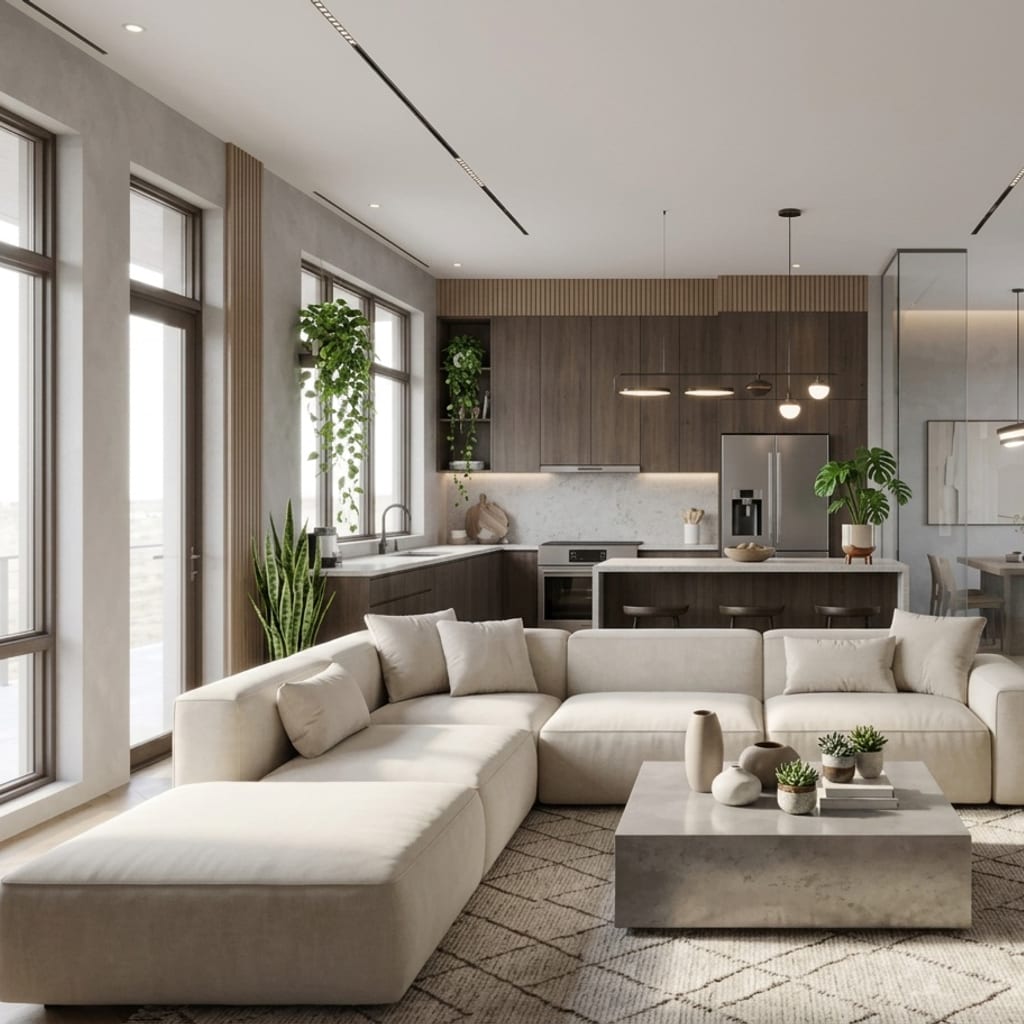
You can give a rental a real makeover without risking your deposit by sticking to reversible changes and previewing each one before you buy. The two things that trip renters up are spending money on decor that doesn’t work in the space, and making a permanent change the landlord never approved. AI previews solve both: they let you see plants, curtains, rugs, lighting and new layouts in your actual room before you commit a cent, and they let you show a landlord exactly what you’re proposing so a “no” turns into a “yes.” Here’s how to make over a rental the smart way.
How can you decorate a rental without losing your deposit?
The golden rule of renting is reversible only. A reversible change is anything you can fully undo at move-out, leaving the unit exactly as you found it — no holes, no residue, no repainting owed. Deposits get eaten by the opposite: nail holes in plaster, paint the landlord didn’t sign off on, adhesive that peels off the finish, or fixtures you swapped and can’t perfectly restore.
The good news is that the reversible category is huge, and most of a room’s visual impact lives inside it. Textiles, lighting, plants, freestanding furniture and removable wall products can transform a space completely while leaving the bones untouched. The trick is spending only on the pieces that genuinely improve your room — which is exactly where previewing first pays off.
What counts as a reversible change?
If you’re ever unsure whether something threatens your deposit, sort it into two buckets:
- Safe (reversible): area rugs, curtains and rods mounted with tension or landlord-approved brackets, freestanding shelving and furniture, plants, lamps and smart bulbs, peel-and-stick wallpaper and tiles rated as removable, command-strip art and mirrors, slipcovers.
- Ask first (semi-permanent): wall paint, drilling into studs or tile, replacing light fixtures or hardware, adhesive hooks on delicate finishes, anything involving the flooring.
Everything in the first bucket is yours to experiment with freely. Everything in the second needs the landlord conversation covered later in this post. Previewing helps in both cases — it stops you buying a rug in the wrong tone, and it gives you the visual you need to make the ask.
How AI previews solve the two renter problems
Renters face two distinct headaches, and an AI preview addresses each one.
Problem one: buying blind. You see a rug, a curtain color or a floor lamp online and hope it works in your space — then it arrives too warm, too big, or fighting the wall color, and returns are a hassle. Uploading a photo of your actual room and previewing the change first removes the guesswork. You can test a whole reversible scheme — rug, curtains, plants, lamp — see it composited into your real room in seconds, and only buy what clearly works. Try it on your own photo in the interactive demo.
Problem two: getting permission. The changes with the biggest impact — paint, flooring — are exactly the ones you can’t make unilaterally. A vague text asking “can I paint the bedroom?” invites a nervous no, because the landlord is imagining the worst-case version. A photorealistic preview of the specific color on the actual wall changes that conversation entirely, which we’ll come back to below.
Room-by-room reversible ideas
Every room has high-impact changes that never touch the deposit. A few that consistently transform a rental:
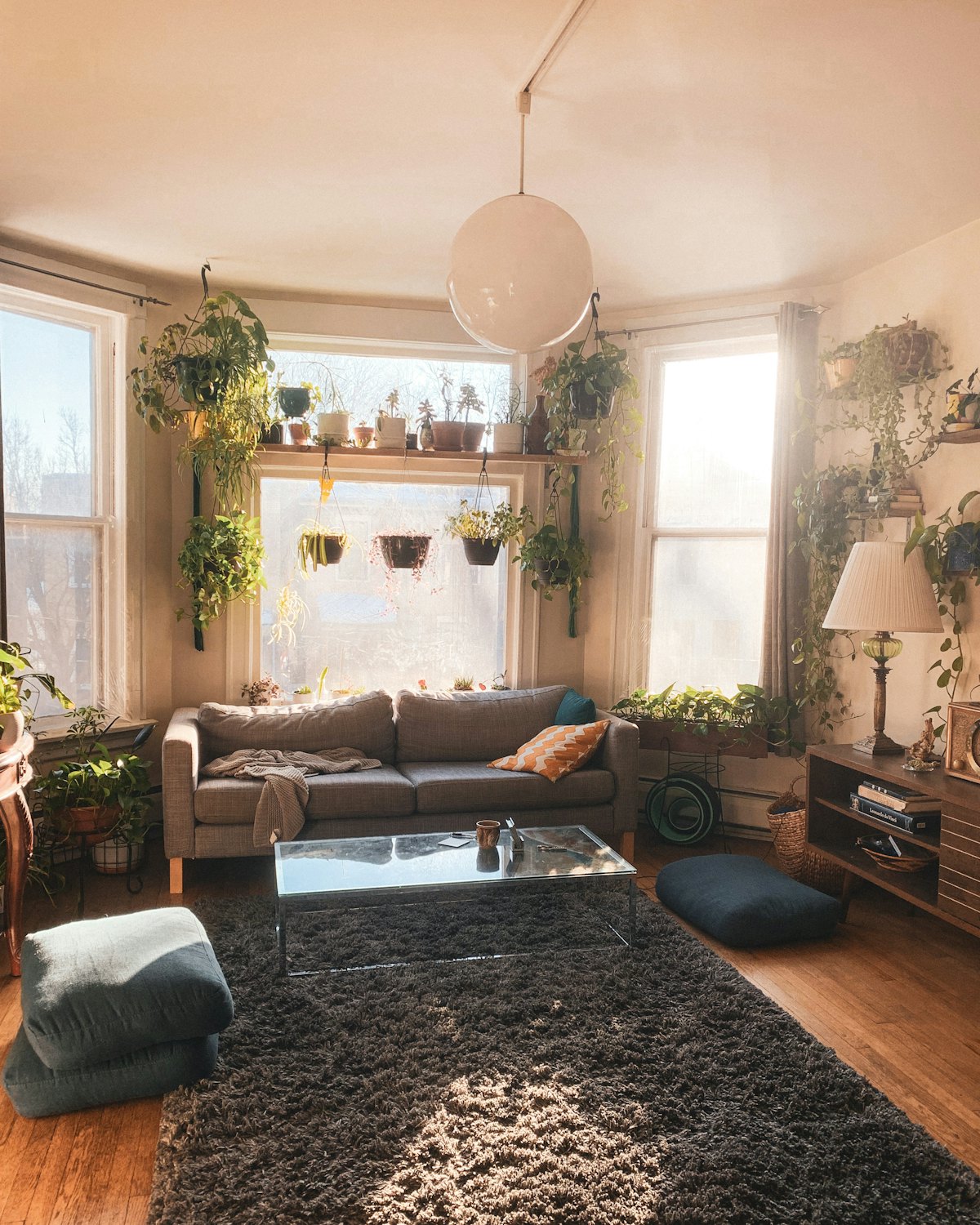
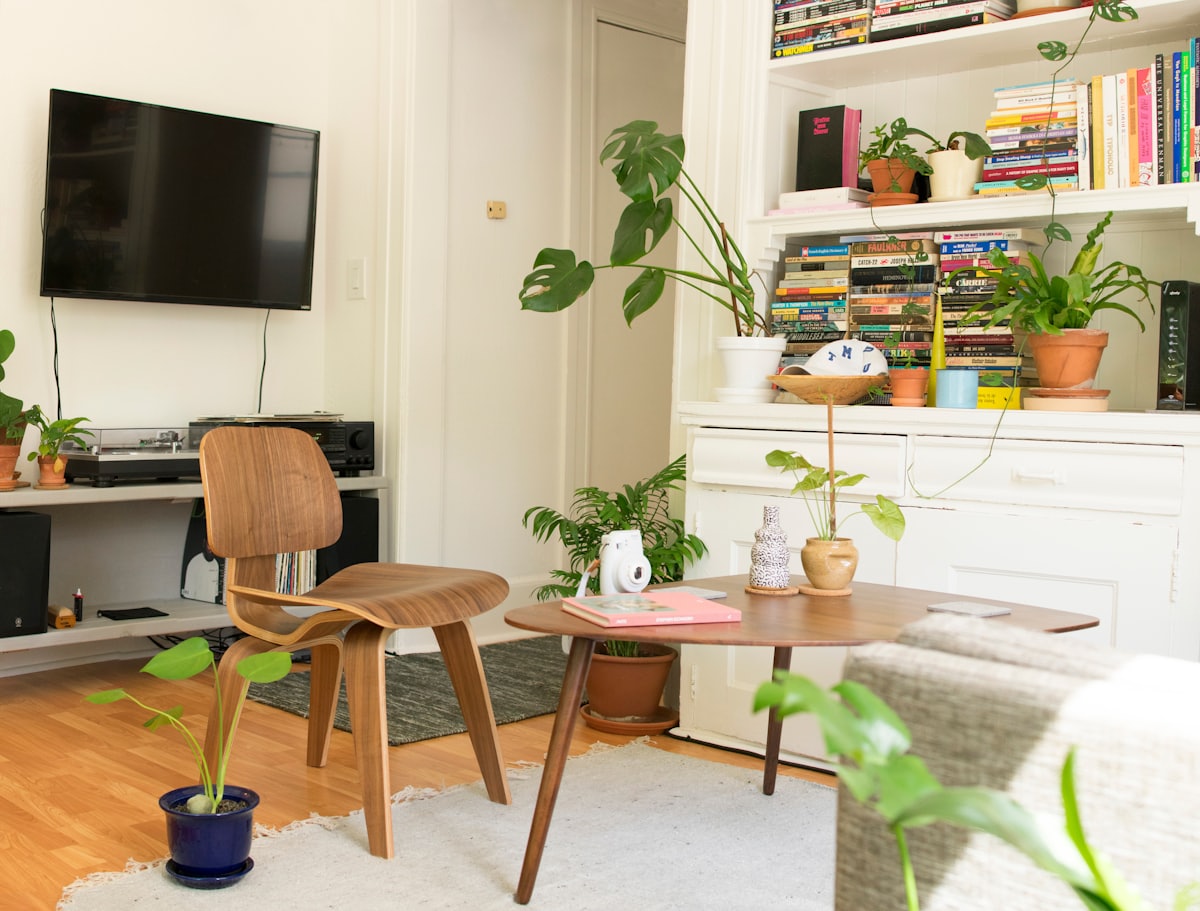
- Living room: a large area rug to define the space, a floor lamp for warm layered light, a couple of tall plants to fill dead corners, and a slipcover to update a landlord’s tired sofa.
- Bedroom: new bedding as the room’s centerpiece, curtains hung wide to make the window feel grander, a peel-and-stick accent behind the bed, and soft bedside lighting.
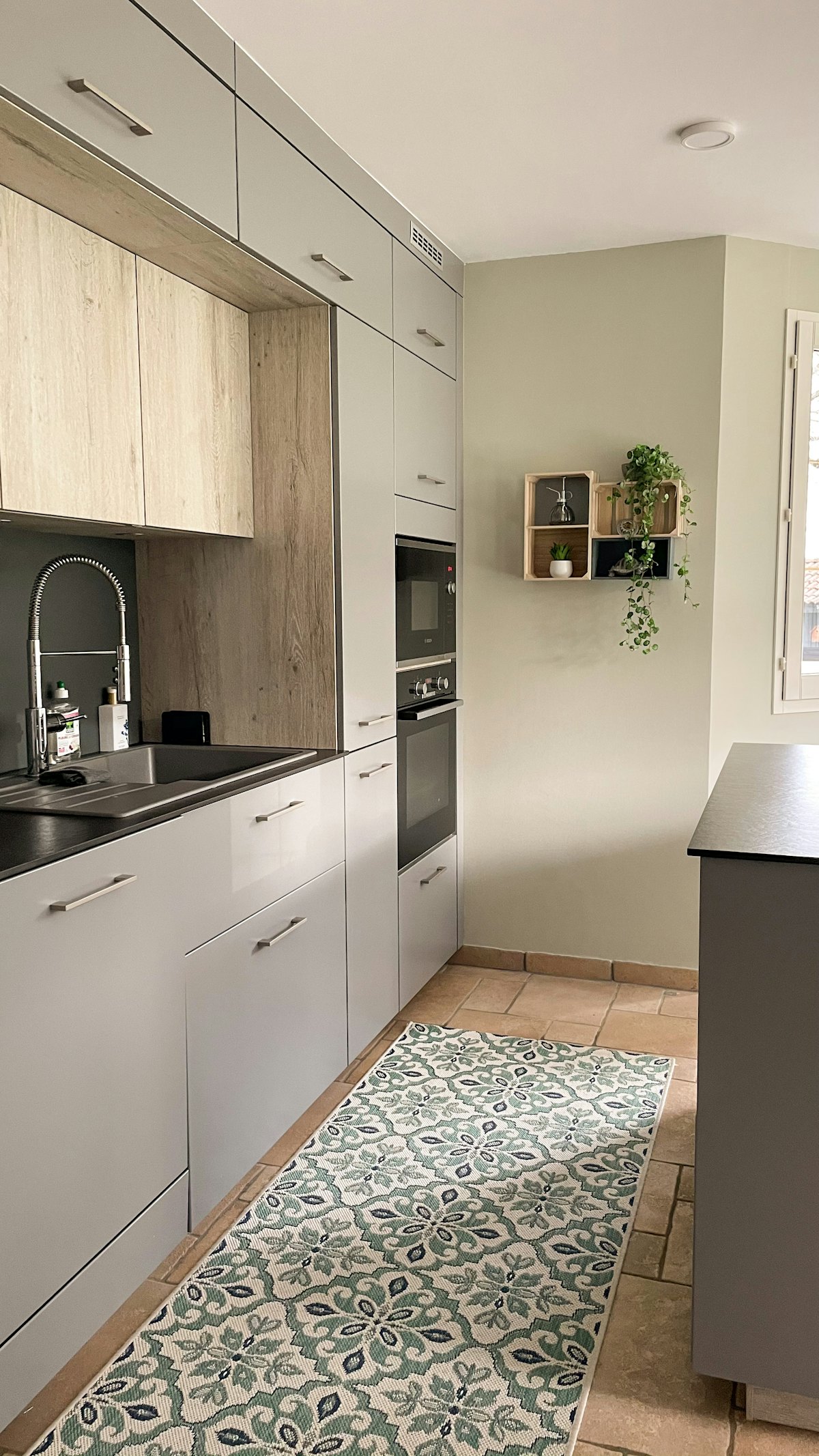
- Kitchen and bath: removable backsplash tiles, open freestanding shelving, better task lighting, and plants that tolerate humidity.
- Every room: adding plants is the single most forgiving upgrade — instant life, zero risk, fully portable when you move.
Because these are all reversible, the only real cost of a mistake is money — which is exactly why previewing them first matters. Our guide to decorating on a budget has more high-return, low-cost moves, and if this is your first place, the first apartment decorating guide covers where to start.
Using a preview to convince your landlord
When you do want a semi-permanent change, the difference between a yes and a no is usually how you ask. Landlords resist paint and flooring requests because they can’t picture the result and default to protecting their property. A convincing preview flips that.
Here’s the approach:
- Generate the exact change on a photo of the actual unit — the specific wall color, the specific flooring — so it’s unmistakably this room, not a generic example.
- Keep it realistic. Show a tasteful, neutral-leaning result, not a dramatic one. The goal is to reassure, not to impress.
- Pair it with a restoration offer in writing: you’ll repaint to the original color or restore the floor at move-out at your own cost.
- Get the yes in writing before you buy anything.
A landlord who can see that your proposed sage-green bedroom looks calm and rentable — rather than imagining a lurid feature wall they’ll have to repaint — is far more likely to agree. You can preview wall colors and flooring changes on your real room and browse neutral, broadly appealing directions in the styles library to find one a landlord will happily sign off on.
Test a layout before you move a thing
Not every improvement costs money. Sometimes the room just needs its existing furniture rearranged — but dragging a heavy sofa or bed across the floor to test a hunch is exhausting, and rentals often have only one workable layout you haven’t spotted yet. Previewing a rearranged layout on a photo lets you see whether floating the sofa, angling the bed, or clearing a walkway actually helps, before you strain your back finding out. Our guide to changing a room’s layout goes deeper, but the principle is simple: decide with your eyes, then move furniture once.
The bottom line for renters
Renting doesn’t mean living with a space you don’t love. It means being deliberate: keep changes reversible, preview them before you spend, and use a photorealistic preview to win the landlord conversations that unlock the bigger upgrades. Do that and you protect your deposit and your budget while still making the place genuinely yours.
Frequently Asked Questions
How can I decorate a rental without losing my deposit?
Stick to reversible changes: plants, rugs, curtains, freestanding furniture, peel-and-stick products, and lighting. Avoid anything that alters the unit permanently — paint, drilling, or fixed fittings — unless your landlord approves it in writing. Previewing changes first helps you commit only to ones you’re sure about.
How do I convince my landlord to let me paint or change floors?
Show, don’t ask. Generate a photorealistic AI preview of the exact change on a photo of the actual unit, so the landlord sees precisely what you’re proposing instead of imagining the worst. Pair it with an offer to restore the original on move-out, and get the agreement in writing.
Can I change a room’s color without painting?
Yes — visually. Removable options like large art, textiles, peel-and-stick wallpaper, and colored decor shift a room’s whole mood without a drop of paint. AI previews let you test a color scheme before you buy anything so you don’t waste money on a shade that doesn’t work.
Can I test a furniture layout without moving anything?
Yes. Upload a photo and AI can preview a rearranged layout in seconds, so you can see whether moving the sofa or bed actually improves the room before you drag heavy furniture across the floor.
Renting and want to make it yours without the risk? Preview every change first with Architectural AI — download it on the App Store, test reversible ideas on a photo of your actual room, and generate the exact preview that gets your landlord to say yes.
Keep reading