A Kids' Room That Grows: Toddler to Teen Without Full Redos
A kids’ room that grows with your child comes down to one rule: spend on the permanent, neutral bones and rent the childhood on top with cheap, swappable layers. Children’s tastes turn over fast — the dinosaur phase gives way to space, then to whatever their friends are into by age nine — and no busy parent has the weekend or the budget to gut a room every couple of years. The fix is to separate what stays from what changes, then preview the room at a few future ages so you buy the lasting pieces with confidence today. Here’s how to design once and adjust forever.
How does a room actually “grow” with a child?
A grow-with-them room is one whose expensive, hard-to-change elements stay deliberately neutral, while your child’s changing personality lives in inexpensive, removable layers you can update in an afternoon. That’s the whole trick. The bed, the flooring, the wall color and the storage are the “bones.” The bedding, the wall art, the rug and the toy bins are the “layers.”
Most parents do the opposite by accident. They lean into a theme on the big, costly things — a race-car bed, a mural, a bright feature color — and within two years the child has outgrown all of it, leaving you to repaint, resell and rebuy at the worst possible time. Keep the theme on the cheap stuff and it becomes a five-minute Saturday swap instead of a full-weekend project.
What should you invest in versus swap?
The clearest way to plan a lasting room is to sort every purchase into two columns before you spend anything.
| Invest once (neutral, lasts years) | Swap as they grow (cheap, fast) |
|---|---|
| Full-size or convertible bed frame | Duvet covers and bedding |
| Modular shelving that adds height | Wall decals, posters and framed art |
| A warm neutral wall color | A themed area rug |
| Durable, easy-clean flooring | Cushions, curtains and lampshades |
| Quality blackout window treatment | Toy bins, labels and baskets |
| A desk that raises with the child | Desk accessories and pinboard content |
The logic is simple: anything that’s hard, messy or expensive to change should be timeless, and anything that carries the “look” should be something you can replace for the price of a takeaway dinner. A toddler’s cloud-print bedding becomes a tween’s geometric set becomes a teen’s plain linen, all on the same neutral bed you bought once.
Preview the same room at three ages before you buy
The hardest part of this strategy is trusting that today’s neutral choices will still look right when your child is twelve. You can’t picture it, so you either over-theme (and regret it) or play it so safe the room feels like a hotel. This is exactly where an AI preview earns its place in the plan.
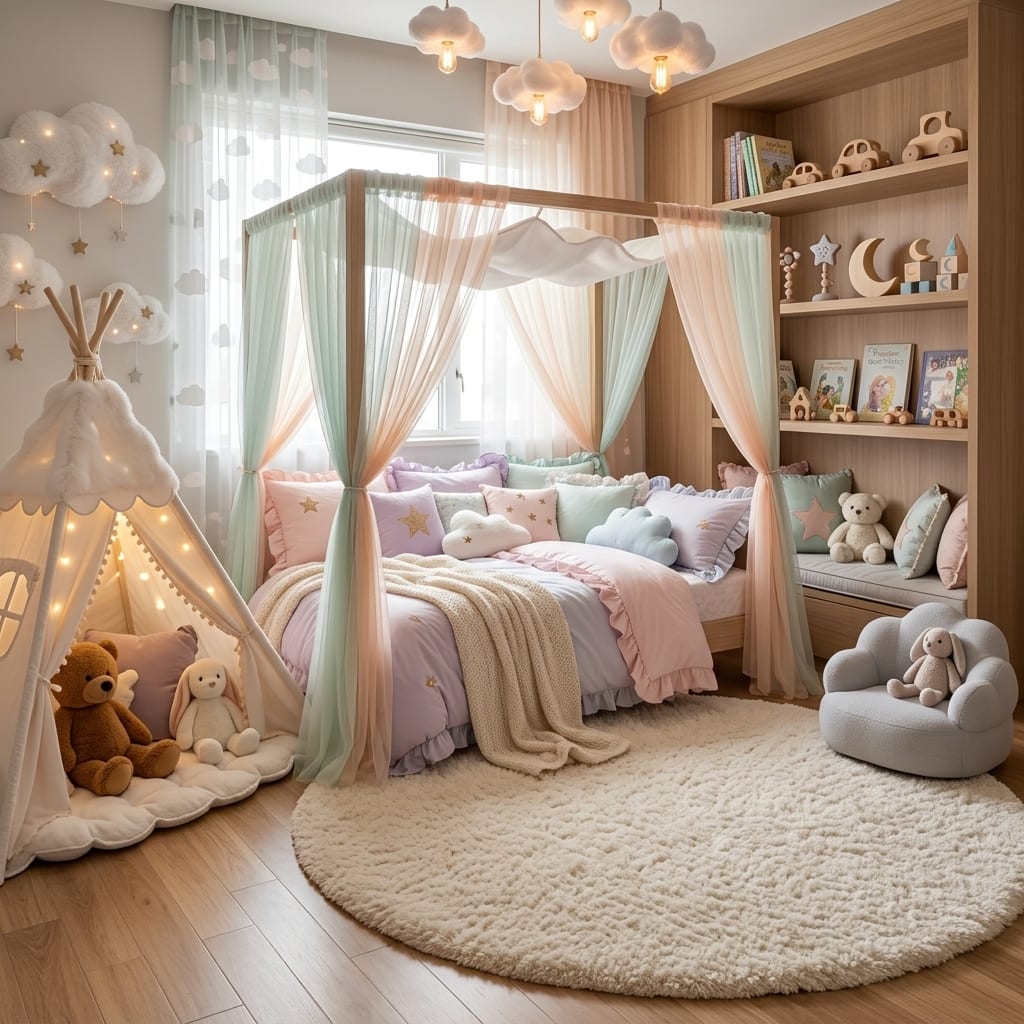
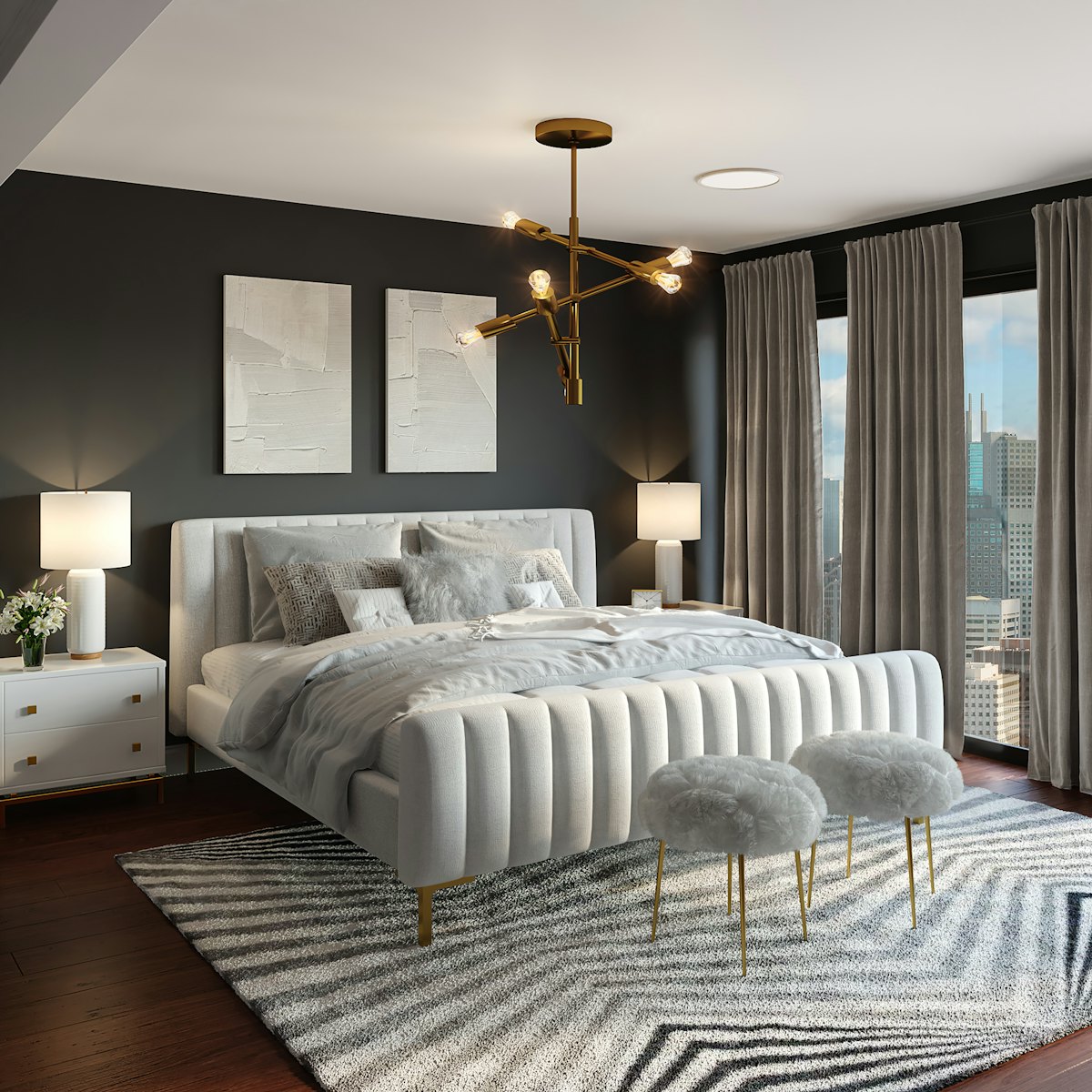
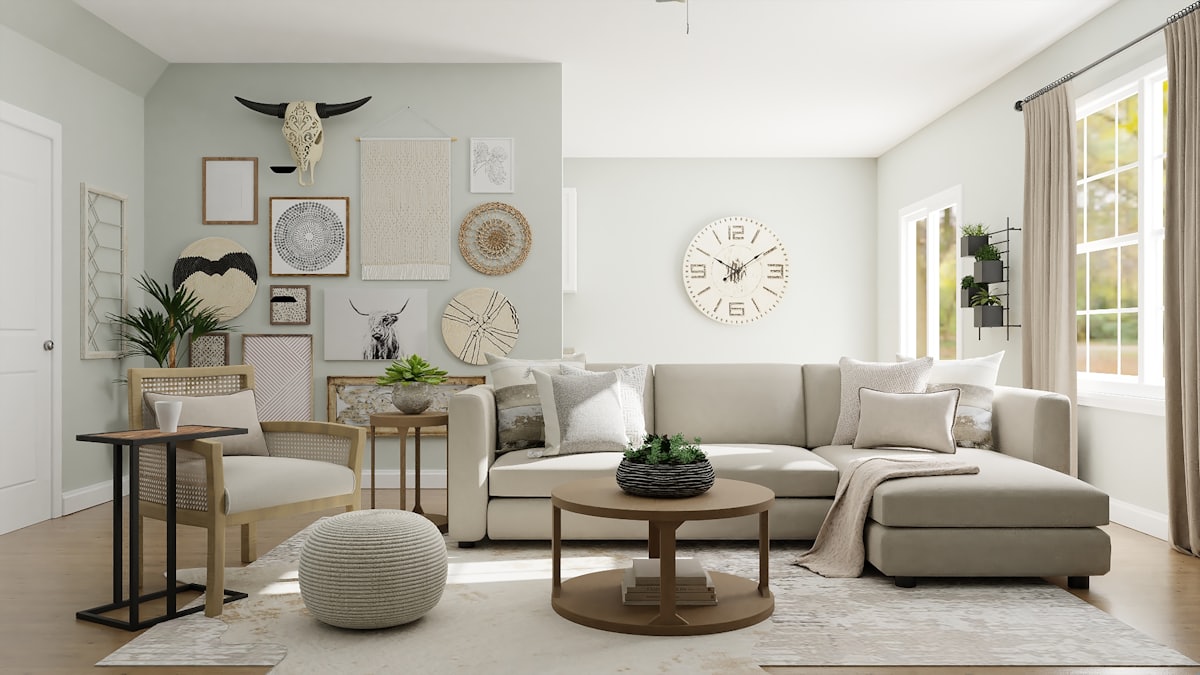
Take one straight-on photo of the room and generate three versions of it — a young-child look, a tween look, and a teen look — on the same four walls. Seeing your actual room styled across the years tells you instantly whether the bed placement, the storage wall and the paint color hold up, or whether you need to adjust the bones now while it’s cheap to do so. You can try this on your own photo in the interactive demo in a couple of minutes.
Our full guide to kids room design ideas walks through the theme layer in more depth, and if your child is deep in a specific obsession right now, previewing it — a Minecraft-inspired bedroom, say — on the swappable layers lets them have the phase without you paying for it in permanent fixtures.
Neutral bones that don’t read as boring
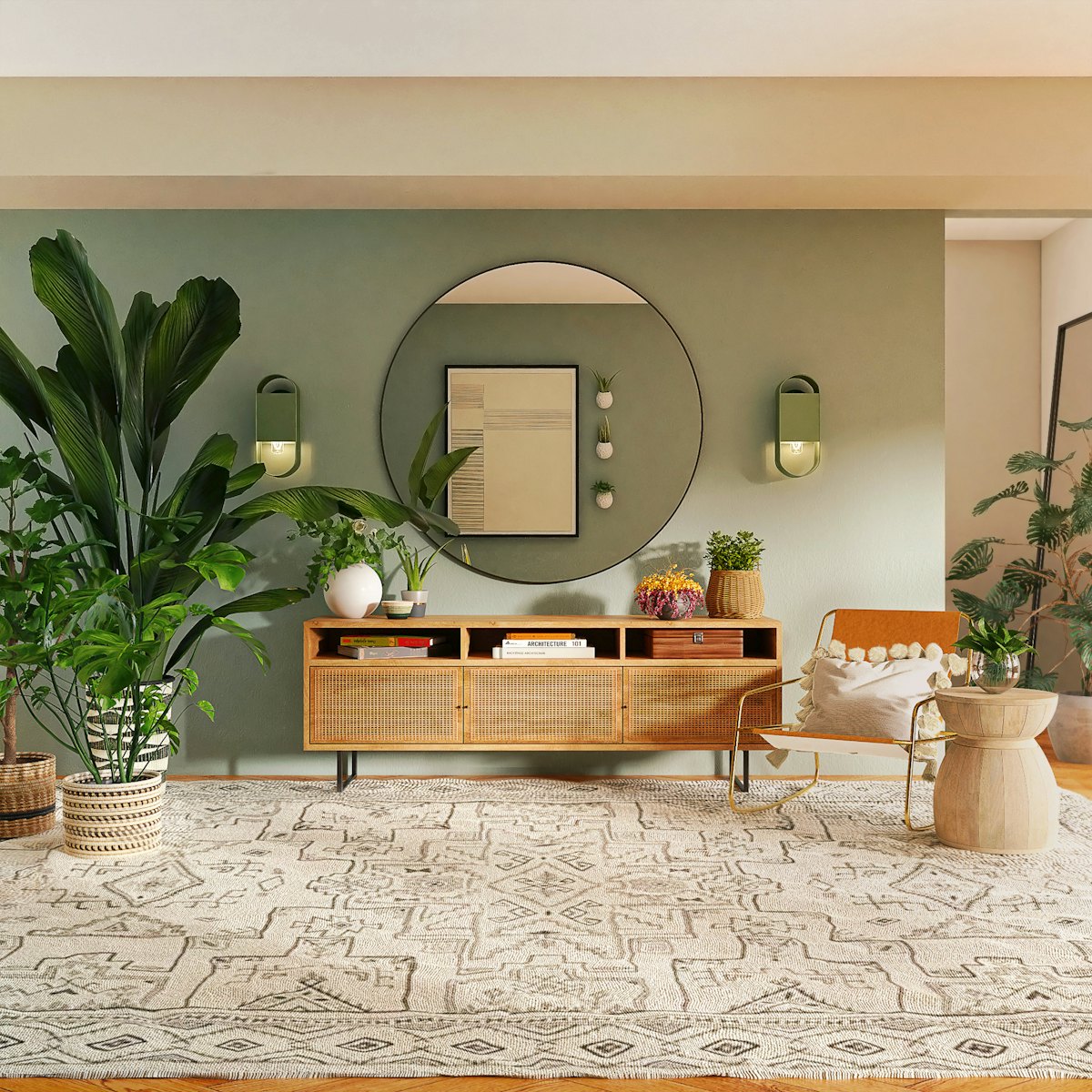
Neutral does not mean beige and lifeless. The goal is a warm, calm backdrop with enough character to feel intentional but broad enough to host any theme on top. Think soft clay, sage, warm greige, muted blue or a gentle off-white — colors that flatter both a fire-truck rug at age four and a moody band poster at fourteen.
If you want one architectural touch that survives every phase, add it through paint rather than furniture: a color-blocked lower half, a simple painted arch behind the bed, or a single grounding accent wall. Wall color is the highest-impact, easiest-to-get-wrong decision, so test it before you open a can. Snap a photo, use the Change Wall Color quick edit, and cycle three or four candidates on the real wall under your room’s actual light — then lock the exact shade with the palette picker so your painter matches it precisely.
Storage that scales with the mess
Storage is where a grow-with-them room quietly succeeds or fails. Toddlers need everything low and open so they can reach it and — in theory — put it back. Teens need less floor clutter and more closed, private space. Buy modular systems that let you start low and wide, then add vertical units as your child gets taller and their stuff gets smaller and more numerous.
A good rule is one clearly defined home per category: books here, building toys there, art supplies in the labeled bin. To see how a wall of clever storage would change the room before you commit to furniture, run the Smart Storage quick edit on your photo — it shows where built-ins and shelving could go, so you can plan around real capacity instead of guessing.
A budget rhythm you can actually live with
Spread across years, this approach is gentle on the wallet. You make the big purchases once — bed, flooring, storage, blackout blinds — ideally at the start or at a natural milestone like a move or a new sibling. After that, you’re only ever buying layers: a fresh duvet set and a new rug every year or two, a batch of decals when the current obsession peaks, updated art as taste matures.
Because the layers are cheap and reversible, you can let your child drive them. Involving them in choosing the swappable pieces gives them ownership without giving them veto power over the four-figure decisions — which keeps both the room and the relationship calm.
The bottom line for parents
The rooms that never need a full redo aren’t the ones with the trendiest theme — they’re the ones built on quiet, quality bones with the personality bolted on loosely. Invest in the bed, floor, storage and wall color; rent the childhood on top. Preview the room at a few future ages so today’s neutral choices are decisions, not gambles, and you’ll design your child’s room roughly once and adjust it forever.
Frequently Asked Questions
How do you design a kids’ room that grows with them?
Spend on neutral, hard-to-change elements — the bed frame, flooring, wall color and storage — and keep the childhood theme in cheap, removable layers like bedding, decals, rugs and art. When your child’s taste changes, you swap the layers in an afternoon instead of redoing the whole room.
What should I spend money on in a kids’ room?
Put your budget into the pieces you only want to buy once: a full-size or convertible bed, durable easy-clean flooring, quality blackout window treatments, and modular storage that adds height as your child grows. Save money on everything visual and swappable.
How often will I need to redo a child’s room?
With a neutral base and swappable layers, most families never need a full redo — just a layer refresh every one to two years as tastes shift. The expensive surfaces stay put while bedding, art and accessories carry the changing theme.
Can I see what my child’s room will look like as they get older?
Yes. Upload one photo of the room and preview a toddler, tween and teen version on the same walls in seconds, so you can confirm the neutral bones you’re buying today will still work in five years before you commit.
Planning a room your child won’t outgrow? Preview the bones and the layers first with Architectural AI — download it on the App Store, test the same room at three ages on one photo, and buy the lasting pieces with confidence.
Keep reading