Open House Prep, Room by Room (What Buyers Notice First)
Prep for an open house in walk order: buyers judge each room in seconds, in the exact sequence they move through the home, so start at the front door and work inward with a quick per-room punch list — then set the invisible layer of light, scent, sound, and temperature last. The day before, walk the home exactly as a buyer would, because you’ve stopped seeing what they’ll notice first. Open house prep is the process of readying a home so that every room a buyer enters reinforces a single impression: bright, clean, cared-for, and move-in ready.
Here’s how to run it room by room without burning a whole week.
Why does walk order matter?
Impressions compound. A buyer who forms a positive gut reaction at the front door walks the rest of the home looking for reasons to say yes; one who recoils at a dim, cluttered entry spends the tour hunting for problems. Because the first rooms set that trajectory, prepping in walk order — rather than by whatever room you happen to start in — puts your best effort where it bends the entire visit.
It also prevents the classic mistake: a spotless kitchen undermined by a chaotic entry the buyer hit 30 seconds earlier. Your home is only as strong as its worst room in sequence, so fix the sequence.
The room-by-room 15-minute punch lists
Each room gets a fast, focused pass. Fifteen minutes, high-impact items only. If you’ve already worked through a depersonalize checklist, most of the heavy lifting is done — these are the final resets.
Entry (first 10 feet):
- Clear the floor of shoes, bags, and mail
- Wipe the door, handle, and any glass
- One clean surface or nothing; fresh doormat
- Turn on every light, even in daytime
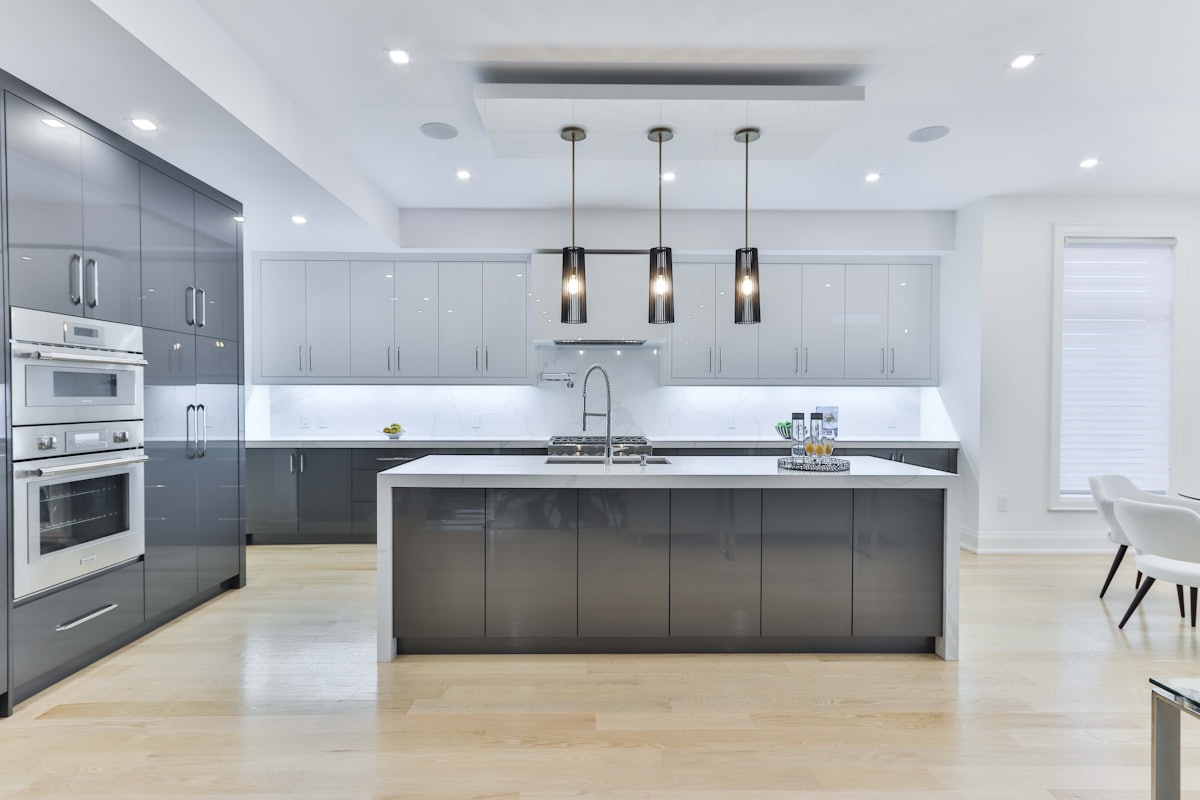
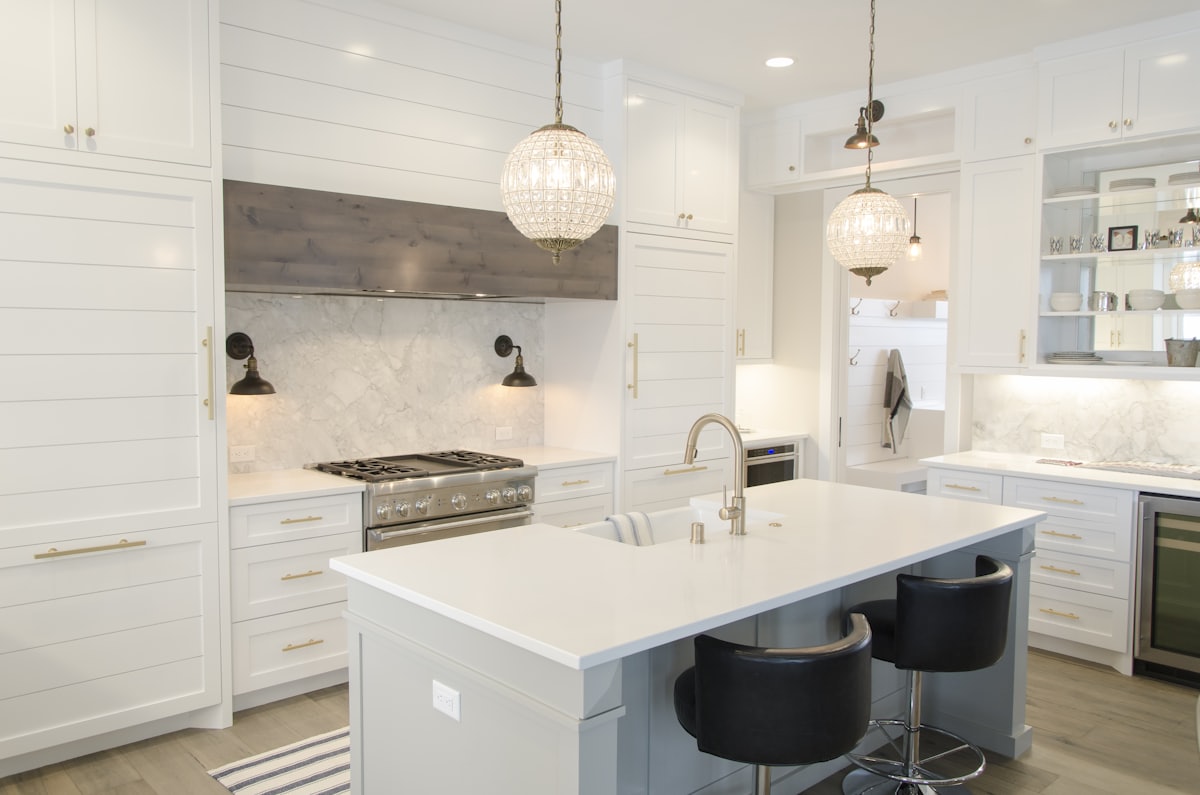
Kitchen:
- Counters cleared to near-empty (kettle or a bowl of fruit, max)
- Sink empty and dry; dish towels fresh and folded
- Fridge door bare; trash emptied
- Wipe every surface until it shines
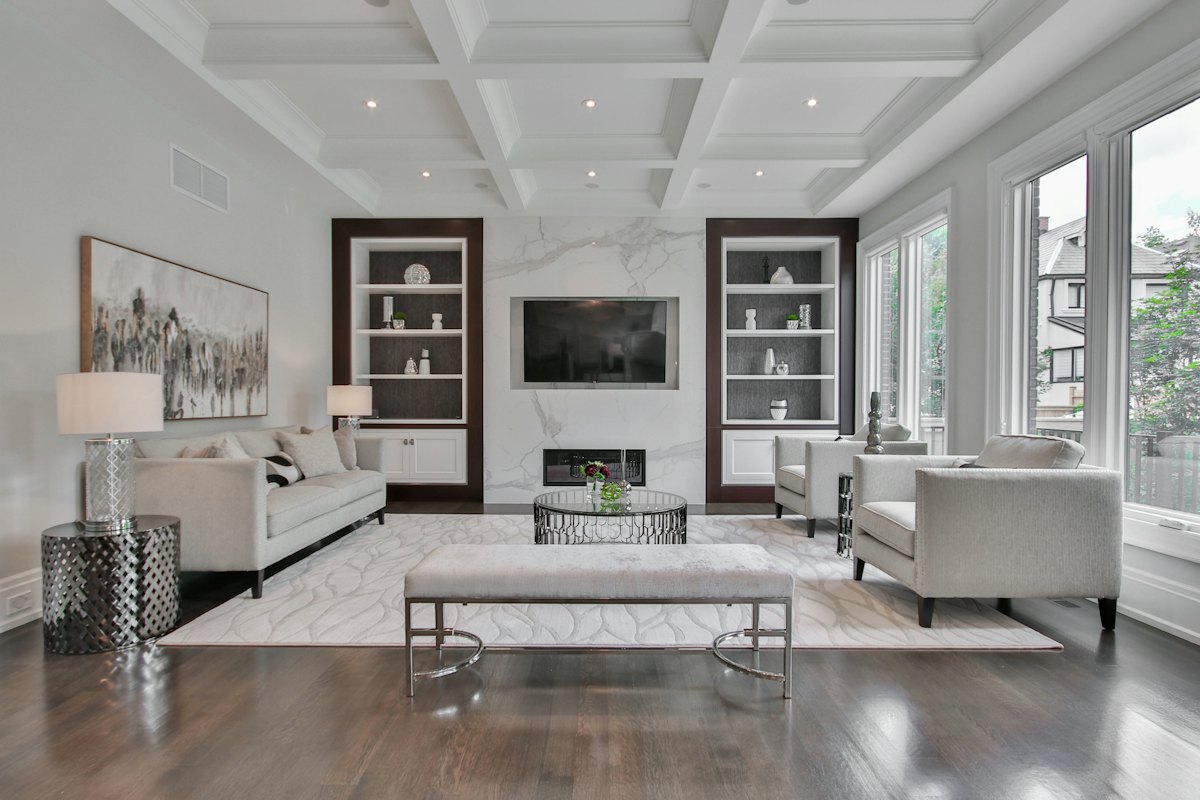
Living space:
- Fluff and straighten seating; float furniture off walls for open sightlines
- Remove excess and oversized pieces you flagged earlier
- Clear the coffee table to one or two styled objects
- Open curtains fully
Primary bedroom:
- Bed made hotel-tight with neutral bedding
- Nightstands cleared except a lamp and maybe a book
- Closet doors closed; floor clear
- Matching lamps on
Bathrooms:
- White towels hung fresh; counters spa-blank
- Toilet lids down; mirrors and fixtures spotless
- Personal toiletries hidden
- A subtle fresh touch — one small plant or folded towel
Secondary bedrooms and hallways:
- Beds made, floors clear, closets closed
- These are pass/fail — clean and neutral is enough
Print the list, give each room its 15 minutes, and don’t gold-plate the low-weight rooms.
The invisible layer: light, scent, sound, temperature
Once the rooms are physically ready, set the atmosphere buyers feel without naming it. This layer is what makes a prepped home feel good, not just look clean.
- Light. Open every curtain and blind, and turn on every fixture and lamp — yes, even at noon. A blazingly lit home reads larger, warmer, and more honest (nothing to hide). Swap any mismatched or dim bulbs for matching warm-white ones beforehand; our room-by-room lighting guide covers layering it properly.
- Scent. Neutral and clean beats fragrant. Air the home out, deep-clean, empty the trash, and don’t cook strong food that morning. Heavy candles and plug-ins often read as a cover-up — skip them.
- Sound. Silence feels awkward; the right sound feels calm. Low, neutral instrumental music masks street noise and softens empty-room echo. Turn off TVs and anything jarring.
- Temperature. A comfortable home invites lingering, and lingering builds attachment. Set it a touch cooler in summer, cozier in winter — never let buyers walk into stuffy or cold.
The day-before preview run
The single most useful prep step is also the easiest to skip: walk your home the way a stranger will. You’ve gone nose-blind to the scent and face-blind to the clutter — a deliberate buyer’s-eye run catches both.
Do this the day before:
- Enter through the front door and pause. What’s the very first thing you see and smell? Fix it.
- Walk the buyer’s path slowly, room to room, in the order they’ll take.
- In each room, ask “what would I subtract points for?” and correct it — a dim corner, a crowded surface, a closed-off sightline.
- Photograph each room at buyer eye level. The camera reveals clutter and dark spots your eye edits out.
Those day-before photos are also a chance to plan any last styling calls without buying on a hunch. AI room design apps let you test a quick change on the actual room photo — Architectural AI can preview a dim living room relit, a bare corner with a plant added, or a cluttered surface decluttered in seconds, keeping the room’s real layout so you’re judging this space. If a preview shows that adding one plant or opening the blinds transforms a weak room, you know exactly what to do before doors open. (Keep these previews for your own planning — listing photos must show the real, finished room.)
Open house morning: the 30-minute reset
The morning of, you’re not deep-cleaning — you’re resetting. A fast sequence:
- Open every curtain; turn on every light
- Air the home out, then close windows if it’s loud or cold
- Final wipe of kitchen and bath surfaces; sinks dry
- Empty trash; take pets and their gear elsewhere
- Start low neutral music; set a comfortable temperature
- Last buyer’s-eye walk from the front door
Then leave. A home shows best without the owner hovering — buyers speak more freely and linger longer when the seller isn’t in the room, and lingering is what builds the attachment that becomes an offer. If your agent is hosting, hand off a one-line note on anything worth pointing out (a recent roof, a quiet street) and get out of the way.
A quick word on what not to do the morning of: don’t start a paint touch-up, don’t deep-clean a room you skipped earlier, and don’t introduce a strong air freshener in a panic. Last-minute big moves create fresh-paint smell, damp surfaces, or a cover-up scent that buyers notice. The morning is for resetting a home that’s already prepped — nothing more.
The bottom line
Great open house prep follows the buyer’s own path: front door inward, fast per-room punch lists, then the light-scent-sound-temperature layer that makes a clean home feel right. Add a day-before buyer’s-eye walk to catch what you’ve stopped seeing, and you’ll host a showing where every room reinforces the same easy yes.
Want to test a last-minute relight, declutter, or styling tweak before your open house? Download AI Room Redesign: Home Decor on the App Store and preview the fix from a single photo.
FAQ
What should I do to prepare for an open house? Prep in the order buyers walk the home — front door inward — with a fast punch list per room, then set the invisible layer of light, scent, sound, and temperature. Do a day-before walk-through as if you were a buyer to catch what you’ve stopped noticing.
What do buyers notice first at an open house? The entry and the first few feet inside set the tone. Buyers register light, smell, and clutter within seconds — before they consciously evaluate anything — so a bright, fresh, uncluttered first impression carries disproportionate weight.
How do I make my house smell good for a showing? Aim for neutral and clean, not heavily scented. Open windows beforehand, deep-clean, take out the trash, and avoid cooking strong foods that morning. Skip overpowering candles or plug-ins — many buyers read strong scents as a cover-up.
How far in advance should I prep for an open house? Do the deep work — declutter, depersonalize, deep-clean, any painting — in the days before. Reserve the day before for a buyer’s-eye walk-through, and the morning of for a fast light-scent-sound reset.
Keep reading