Depersonalize to Sell: A 10-Step Checklist You Can Preview First
To depersonalize a home for sale, remove everything that signals whose house it is — family photos, personal collections, bold taste, religious or political items, name decor — so buyers can imagine their life inside it instead of touring yours. Work in a deliberate order, from the most personal items outward, and preview the neutralized version first so you know the effort pays off before you fill a single box. Depersonalizing is one of the highest-return, lowest-cost things a seller can do, and it costs almost nothing but time.
Here’s the psychology, the ordered checklist, and how to see the result before you commit.
Why does depersonalizing help a home sell?
Depersonalizing is the process of stripping a home of its owner’s personal identity so prospective buyers can project themselves onto the space. That projection is the entire mechanism behind an offer.
When a buyer walks past a wall of your family portraits, sees your kids’ names on a bedroom door, or notices your team pennants and travel souvenirs, two things happen: they feel like an intruder in someone else’s life, and they get distracted studying you instead of evaluating the home. Both work against the sale. A buyer who can’t picture their own couch, their own art, and their own mornings in a room hesitates — and hesitation shows up as fewer offers and lower ones.
Neutral, impersonal rooms do the opposite. They read as a blank canvas, and buyers fill that canvas with themselves. That’s why depersonalizing pairs so naturally with decluttering: together they turn “the sellers’ home” into “a home the buyer could have.”
The 10-step depersonalize checklist
Work in this order — it moves from the most identity-loaded items to the subtle finishing touches, so the biggest psychological wins come first.
- Family photos and personal portraits. The number-one culprit. Take down every framed photo of people, including the gallery wall and the fridge collage. Blank nail holes are easy to patch; the mental “this is someone else’s home” signal is not.
- Personal collections and hobby displays. Shot glasses, figurines, trophies, vinyl walls, sports memorabilia. Collections read as clutter to everyone but the collector and shrink the space visually.
- Fridge and open surfaces. Magnets, kids’ artwork, calendars, mail, sticky notes. Clear the refrigerator door completely and keep countertops near-empty.
- Religious, political, and fandom items. Anything that could make a buyer feel the home “belongs” to a group they’re not part of. Box it, no exceptions — you never know a buyer’s affiliations.
- Bold personal taste on the walls. The deep accent color, the mural, the very-you wallpaper. Neutralize with a soft, broadly appealing tone. This is the one step that may cost a little paint, and it’s worth it — test the neutral color on a photo first.
- Name and monogram decor. Letter blocks spelling a child’s name, monogrammed signs, “The Smiths” over the door. All of it anchors the home to your family.
- Toiletries and bathroom personals. Medications, toothbrushes, razors, the half-used shampoo lineup. Buyers open cabinets — keep counters spa-blank and stash the daily stuff.
- Closets and wardrobes. Thin every closet by roughly half and organize what remains. Personal excess makes storage look inadequate; a half-empty closet reads as “plenty of room.”
- Pet evidence. Bowls, beds, litter boxes, toys, scratching posts. Not every buyer is an animal person, and pet signs raise unspoken concerns about odor and wear.
- Scent and the intangibles. Cooking smells, strong candles, personal fragrance. Aim for neutral and fresh — open windows, deep-clean, and skip anything a buyer might find off-putting.
Print this, assign a box to each step, and knock them out room by room.
How far is too far?
Depersonalizing has a failure mode: sterile. Strip a home to bare walls and empty surfaces and it stops feeling like a place anyone lives — cold, hollow, and oddly suspicious to buyers. The goal is neutral and inviting, not empty.
Keep, or add, a layer of tasteful, impersonal warmth:
- Neutral art (landscapes, abstracts, nothing that names a person or belief)
- A few plants and fresh greenery
- Fresh, matching textiles — towels, throws, bedding in quiet tones
- One or two simple decorative objects per surface, not a collection
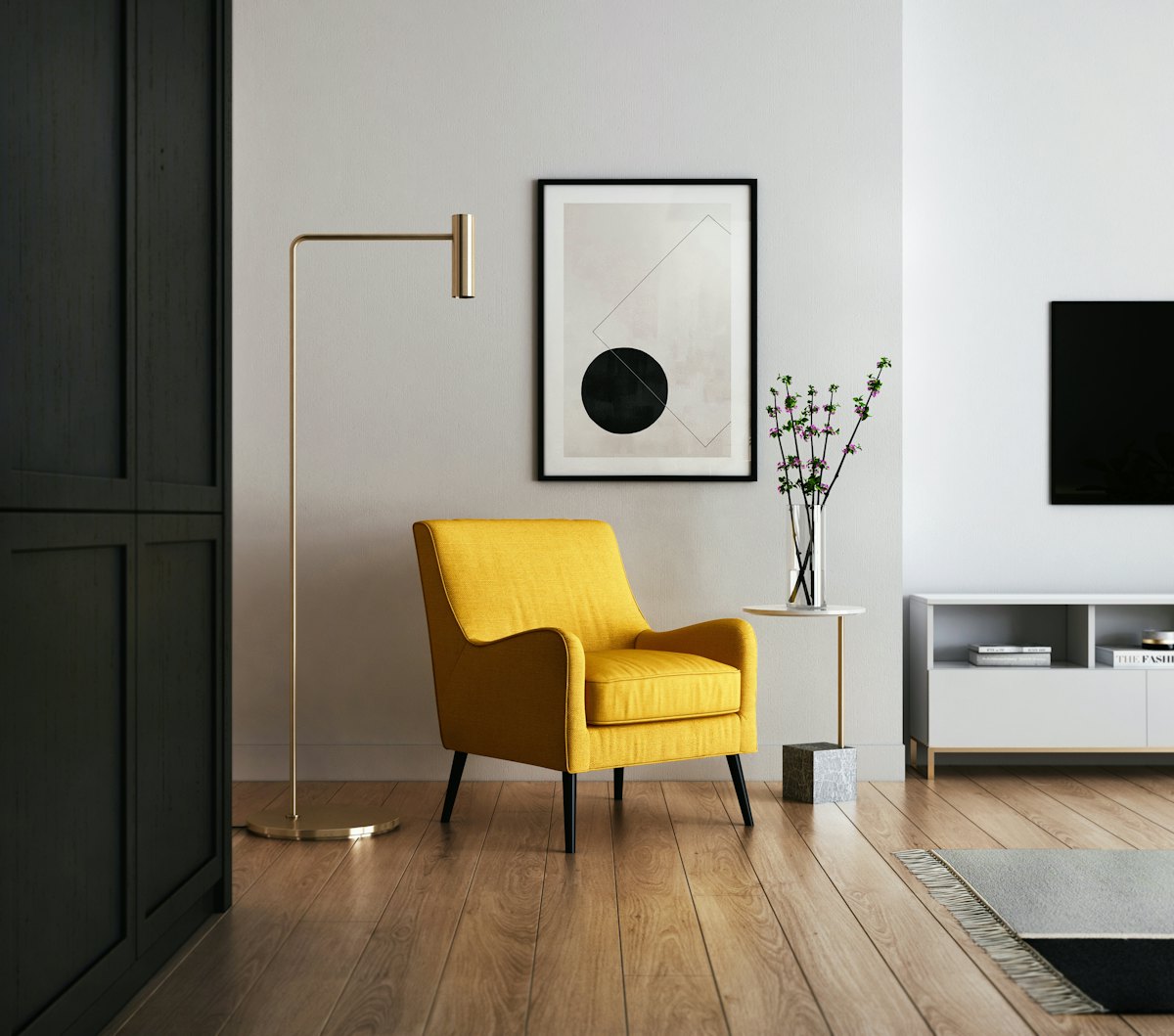
Think boutique hotel: styled and warm, but anonymous enough that anyone could move in. That balance — impersonal but not lifeless — is exactly the line to walk, and it’s easier to judge when you can see it before committing.
Preview the depersonalized version before you box anything
Here’s the trap: you spend a weekend packing away everything personal, only to find a room now looks bare instead of neutral. Previewing first turns that guesswork into a plan.
AI room design apps let you see a decluttered, neutralized version of a room from a single photo — before you pack a thing. Architectural AI does this from your phone: its one-tap declutter and clean room edits show the space cleared of personal clutter, change wall color previews a neutral repaint, and because it keeps the room’s real windows and angles, you’re looking at this room minus the personal noise, not a generic stock image. Try it on your busiest, most personal rooms and you’ll instantly see which need only tidying and which need a real repaint.
Use the preview to:
- Confirm the payoff — see how much larger and calmer a room reads once personal items are gone, which is great motivation to actually do it.
- Decide the neutral color — test a soft repaint on that bold wall before buying paint.
- Plan the styling layer — spot where a cleared room needs a plant or neutral art so it lands as inviting, not empty.
One important boundary: these previews are for planning your depersonalizing and staging work, not for your actual listing photos. Any digitally staged or altered image used in a listing must be disclosed under 2026 MLS rules — see our virtual staging guide for the details (general guidance, not legal advice). Preview to plan, do the real work, then photograph the real, neutralized home.
The bottom line
Depersonalizing removes you from the home so buyers can insert themselves — the single cheapest lever on the number of offers you’ll get. Work the 10-step checklist in order, stop before the home turns sterile, and preview the neutralized rooms first so every box you pack is one you know pays off.
Want to see your rooms depersonalized and neutralized before you start packing? Download AI Room Redesign: Home Decor on the App Store and preview the cleared-out version from a single photo.
FAQ
What does it mean to depersonalize a home for sale? Depersonalizing means removing the items that tell buyers whose home it is — family photos, personal collections, bold taste, and name decor — so buyers can imagine themselves living there instead of feeling like guests in your house.
Why do real estate agents say to remove family photos? Because family photos anchor the space to you. Buyers subconsciously feel like intruders and struggle to picture their own life in the home. Blank walls and neutral surfaces let them project themselves onto the space, which is what drives an offer.
How depersonalized is too depersonalized? When a home feels cold, empty, or hotel-sterile, you’ve gone too far. The goal is neutral and inviting, not bare. Keep enough tasteful, impersonal styling — plants, neutral art, fresh textiles — so rooms still feel warm and lived-in.
Can I see my home depersonalized before I pack? Yes. AI room design apps let you preview a decluttered, neutralized version of a room from a single photo, so you can confirm the payoff and plan the work before you spend a weekend boxing things up.
Keep reading