A Shared Living Room All Roommates Can Live With
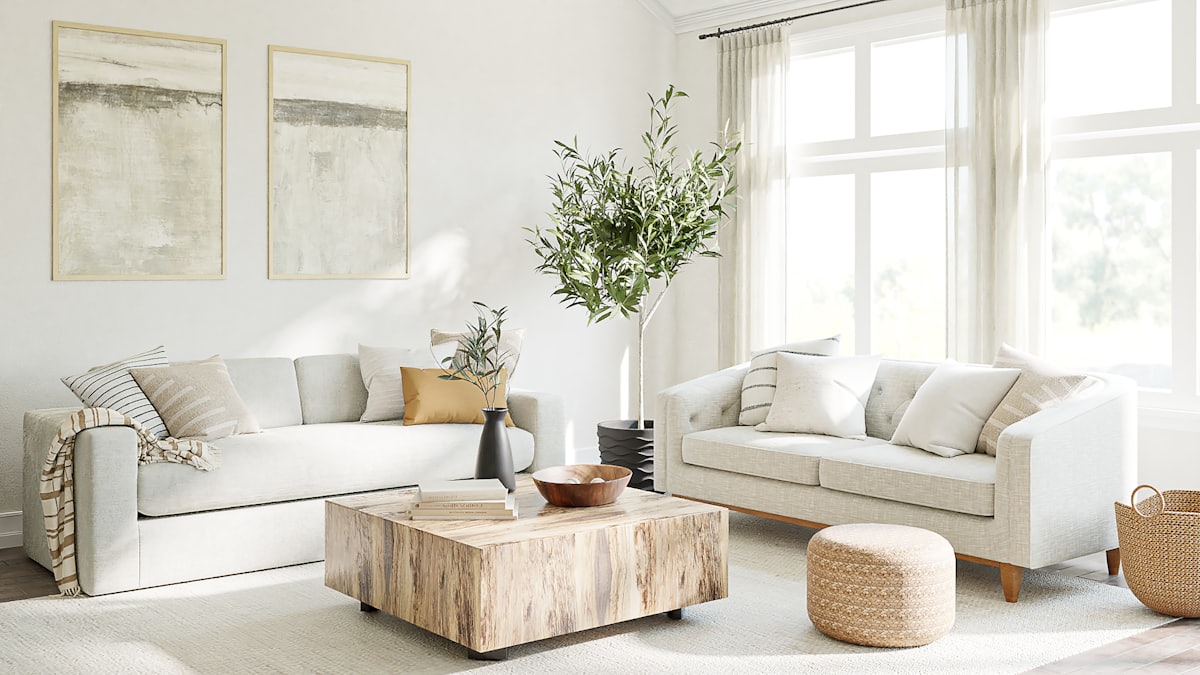
The formula for a shared living room nobody resents is a neutral, jointly-owned base plus a personal corner for each roommate: everyone chips in on the big shared pieces — sofa, rug, lighting — in colors broad enough that no one actively dislikes them, and each person gets one zone to make their own. Money is where a shared room actually gets tense, so agree up front on who paid for what and who keeps it when the lease ends. And instead of fighting taste out in the group chat, generate a couple of options on a photo of the real room and let the house vote.
Why do shared living rooms cause fights?
Three things collide in a shared living room, and each one is enough to start a standoff. There’s taste — one roommate wants warm and cluttered, another wants cool and minimal. There’s money — nobody wants to overspend on a room they share, and nobody wants to feel like they paid for someone else’s style. And there’s ownership — the unspoken dread of who takes the couch when everyone scatters at the end of the lease.
Name all three out loud early and most of the tension drains away. The pattern below handles taste and ownership; a clear money conversation handles the rest.
What does the neutral-base + personal-corner treaty look like?
A neutral base is the set of large, shared, expensive items kept in colors and styles broad enough that no single roommate actively dislikes them. It’s not about a beige room nobody loves — it’s about a shared foundation nobody fights, with personality layered on top individually.
Here’s the treaty:
- The base is jointly owned and deliberately calm. The sofa, the rug, the main lighting, the coffee table — kept in neutral tones and simple shapes. Save the strong opinions for the corners.
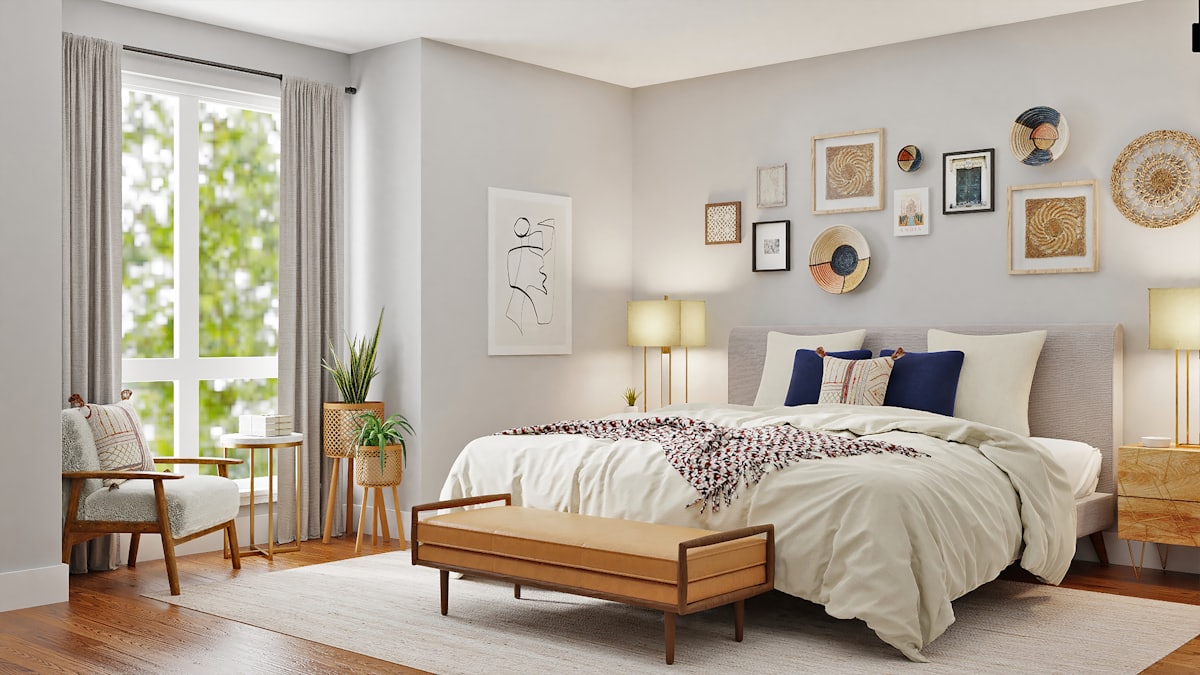
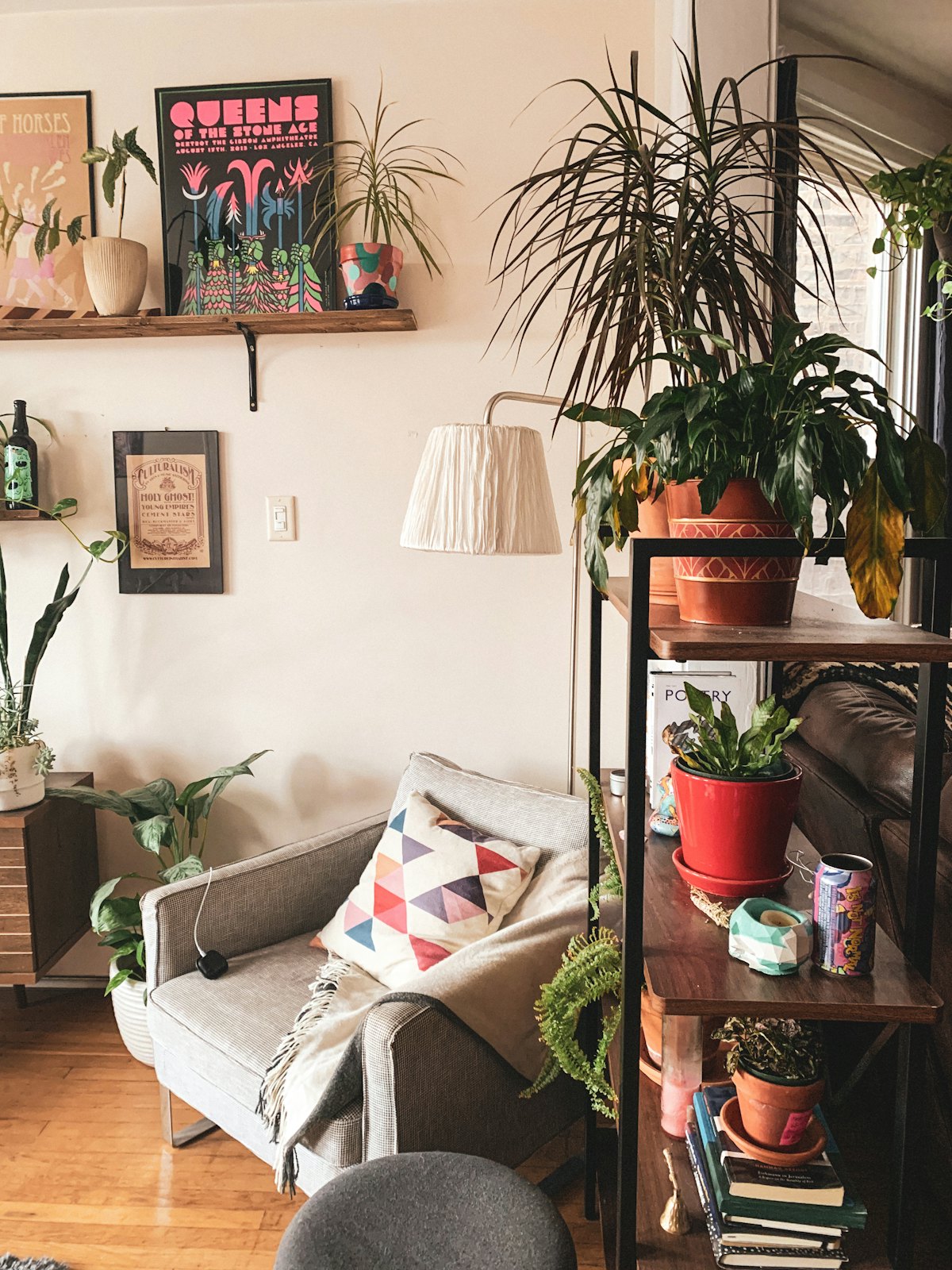
- Each roommate gets a personal corner. One shelf, one wall, one chair-and-side-table vignette that’s theirs to style however they like. This is where the movie posters, the plant jungle, or the maximalist gallery lives.
- Shared surfaces stay light. Agree that the coffee table and the main wall are common ground, styled minimally, so no one’s taste dominates the room everyone uses.
The result reads cohesive because the big pieces agree, and personal because the corners don’t have to. It’s the same show-it-don’t-argue-it logic that helps couples settle decor debates — just scaled to a whole house.
Who pays for what — and who keeps it?
This is the conversation everyone avoids and everyone should have on day one. Two fair models work:
| Model | How it works | Best when |
|---|---|---|
| Shared fund | Everyone contributes equally to big items bought together; you decide in writing who keeps each piece at move-out (or sell and split) | The group is stable and plans to stay a full lease |
| Individual ownership | Each person buys and owns specific pieces and takes them when they leave | People might move out mid-lease or want their own stuff |
Whichever you pick, write it down in a shared note and keep receipts — “we’ll figure it out later” is how friendships end over a $200 couch. For furniture you won’t keep, secondhand and marketplace pieces make the eventual split painless because nobody’s out much money. The budget decor guide is full of shared pieces that look good without anyone overcommitting cash.
How do you settle taste disagreements without a fight?
Arguing taste in the abstract never ends, because everyone is defending a picture in their own head. The fix is to put one shared picture in front of everyone. Use the three-option rule: nobody gets to just veto, they have to bring alternatives, and the house votes among a small set of real options.
Make those options concrete by previewing them. Photograph the actual living room and generate two or three directions in an app like Architectural AI — a warm neutral, a cooler minimal, a mid-blend — so the vote is about the same room in three real styles, not four people’s imaginations. Seeing it settles arguments fast: the roommate who swore they’d hate a darker sofa often changes their mind once they see it in the actual space, and the one pushing a bold color sometimes talks themselves out of it. A house vote on three previewed options feels fair in a way that “let’s just go to the store and see” never does.
What are the cheap shared upgrades everyone benefits from?
When the house can’t agree on a big direction, fall back on the changes that make the room better for everyone without touching anyone’s personal taste:
- Warm lighting. Swap harsh overheads for a couple of lamps with 2700K bulbs — the single easiest unanimous win.
- One good rug. It anchors the shared seating and warms a cold rental floor.
- Plants. Low-maintenance greenery reads intentional and nobody objects to it.
- A declutter. Clearing shared surfaces improves the room instantly and costs nothing — often the thing everyone secretly wanted.
These are unanimous precisely because no one loses their own style to get them, which makes them the perfect first project for a new house.
How do you keep the personal corners fair?
Fairness in the corners is less about equal square footage than about equal freedom, and a few house rules keep it drama-free:
- Equal freedom, not identical footprints. One roommate’s corner might be a bookshelf, another’s a chair, plant, and side-table vignette. Match how much say each person gets, not the exact number of square meters.
- What’s shared stays neutral; what’s yours is yours. Nobody gets a veto over a roommate’s own corner, and nobody imposes their taste on the shared base. That single trade is the whole peace treaty in one line.
- Handle the big spender gracefully. If one roommate wants a nicer shared rug than the others want to chip in for, let them buy it and own it — they take it when the lease ends, and everyone enjoys it in the meantime. Opt-in upgrades beat guilt-tripping the group into spending money it doesn’t have.
- Revisit the base at every move-out. When someone leaves, re-vote the shared foundation instead of assuming the room is frozen in place. New roommate, new corner, same treaty.
Fair corners are what let genuinely different people share one room without anyone feeling erased — which is the real goal here, not a magazine-perfect living room nobody’s allowed to actually live in.
Skip the group-chat argument entirely. Photograph your shared living room and preview two or three directions free on the App Store — no signup, results in seconds — then put it to a house vote everyone can live with.
FAQ
How do roommates agree on living room decor? Split the room into a shared neutral base that everyone chips in on and a personal corner each roommate controls. Keep the big shared pieces in colors broad enough that nobody actively dislikes them, and let individuality live in the personal zones.
Who pays for shared furniture between roommates? Agree before you buy. Either split big shared items from a common fund and decide in writing who keeps each one at move-out, or have each person own specific pieces they take with them. Keep receipts either way.
How do you settle roommate decor disagreements? Use the three-option rule and a house vote instead of arguing taste. Preview two or three directions on a photo of the actual room so everyone is reacting to the same image, not defending an abstract preference.
What are cheap upgrades every roommate benefits from? Warm lighting, one good shared rug, plants, and a declutter cost little and improve the room for everyone. They’re the easiest things to get unanimous agreement on because nobody loses their own style.
Keep reading