Merging Two Households: Whose Sofa Survives?
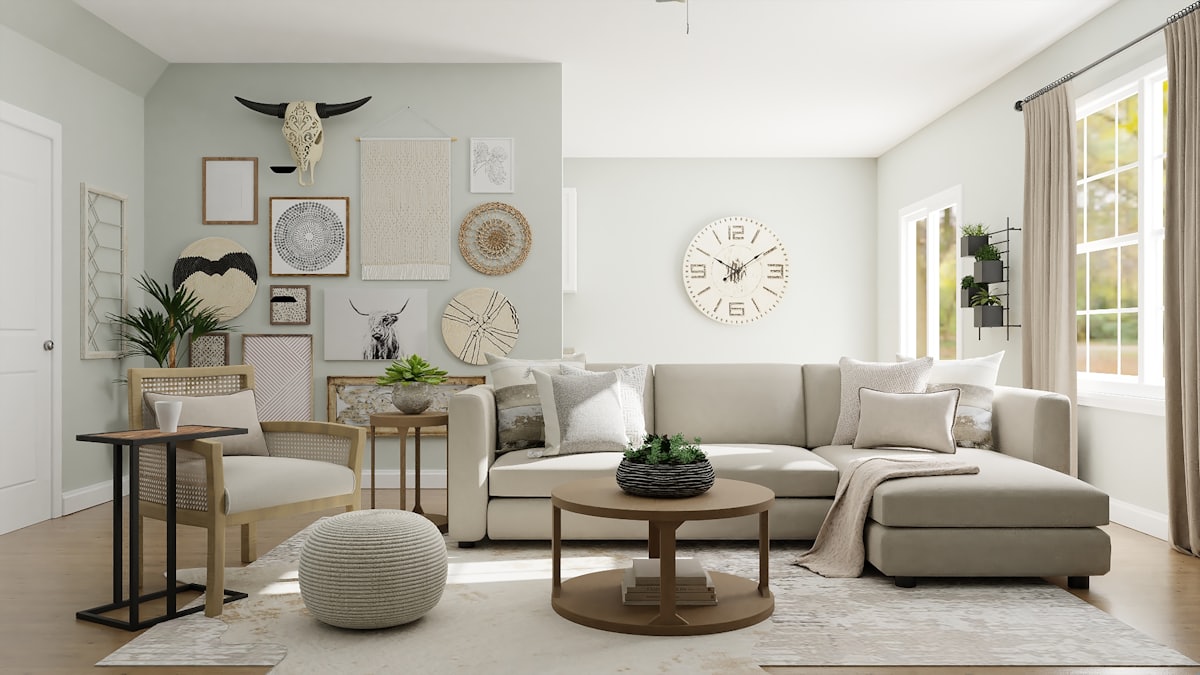
When you merge two households, the honest rule is that the piece which fits the new room survives — not the one with the bigger price tag or the louder owner. Moving in together means suddenly owning two sofas, two coffee tables and two of nearly everything, and the quickest route to a fight is letting the moving truck decide on the day. The calmer path is a short triage ritual you run in advance — category by category, with the new room’s real proportions in front of you — so the hard calls are made before anyone is stuck in a doorway holding one end of a couch.
Why is merging two homes so hard?
Because it’s never really about furniture. Each piece you own arrived before the relationship did, and it carries a little history — the first sofa you bought with your own money, the bookshelf from your old flat, the chair you inherited. Asking “whose sofa survives?” can feel like asking whose past matters more, which is why a simple logistics problem turns emotional so fast.
Naming that out loud helps. You are not judging each other’s taste or ranking your lives together; you are solving a space problem where you happen to own two of most things and have room for one. Keep the ritual practical and a little playful, and the sofa stays a sofa instead of becoming a proxy for something bigger.
Start with a category-by-category inventory
The mistake most couples make is standing in a room full of everything, both of you, trying to decide all of it at once. That’s overwhelming and it invites bargaining (“fine, you get the couch, so I get the whole bedroom”). Go one category at a time instead. Walk through your combined belongings in groups:
- Sleeping — beds, mattresses, nightstands
- Seating — sofas, armchairs, accent chairs
- Surfaces — coffee tables, side tables, desks, consoles
- Dining — tables, chairs, everyday and “good” dishes
- Storage — dressers, bookshelves, cabinets, media units
- Soft goods and decor — rugs, lamps, art, cushions
For each category, line up the duplicates and give every piece one of four verdicts.
| Verdict | Use it when | Example |
|---|---|---|
| Keep | It’s in good shape, fits the new room’s scale, and works with what you’re keeping | The better-condition sofa in a size that suits the living room |
| Sell | It has resale value but loses the head-to-head | A near-new dining set you’re replacing with the other one |
| Donate | It’s serviceable but redundant, and selling isn’t worth the effort | The second, tired coffee table |
| Store | Genuinely sentimental but doesn’t fit right now | An heirloom cabinet with nowhere to go yet |
Doing it this way means most decisions are quick and obvious. Two microwaves? Keep the better one. Two sofas in wildly different sizes? The room’s dimensions usually pick the winner for you.
The keep-or-let-go rules that prevent fights
A handful of shared rules take the sting out of the hard categories:
- Fit the room, not the receipt. What something cost or how new it is matters less than whether it works in this space. A pricey oversized sectional that swallows a small living room loses to the modest one that fits.
- Everyone gets non-negotiables. Each partner picks two or three pieces that stay, no justification required — the writing desk, the record shelf, grandma’s mirror. Protecting a few sacred objects makes it far easier to be flexible about everything else.
- Condition and scale settle the rest. Once the non-negotiables are set, judge duplicates on wear and how they fit. It’s neutral, so nobody’s taste is on trial.
- Don’t merge in the hallway. Decisions made under moving-day stress, with a mover waiting and your back aching, are bad decisions. Triage before the truck comes.
Preview the merged room before the truck arrives
Here’s where a preview earns its keep. You can’t fully know whether both partners’ favorite pieces will coexist until they’re in the room together — and by then, undoing it means another moving day. So plan it on a photo first.
Photograph the new place (or whichever room you’re combining into) and preview the direction you’re aiming for before you commit the furniture. An AI room preview is a photorealistic mock-up of a real room in a new style or layout, generated from a single photo in seconds. It won’t composite your two actual sofas into one image, but it does two genuinely useful things for a merge: it shows you a shared target look so every keep-or-toss call has a north star, and — using a layout change preview — it helps you see whether both people’s key pieces can realistically fit the floor plan before you haul them upstairs. If you and your partner are picturing different end states, put both versions on the same photo and compare, the same way you’d settle any decor debate by showing rather than arguing. You can try it on your own room in the interactive demo.
Making two styles read as one
The fear after a merge is a room that looks like two apartments crashed into each other. The fix is a single unifying thread running through the combined pieces. Pick one and repeat it:
- A shared palette — pull two or three colors that appear across both people’s things and lean into them. Testing exact shades on a photo of your actual wall with a palette picker keeps the whole room speaking one color language.
- A repeated material — if one partner’s pieces are warm oak and the other’s are cool gray, introducing wood tones or textiles that bridge them softens the clash.
- Consistent metals — matching the finishes on lamps, frames and hardware is a small change that makes a mismatched set feel deliberate.
This is a whole craft of its own, and it’s worth a deeper read — our field guide to blending two decor styles walks through named recipes for pairing different aesthetics without the seams showing.
When should you buy new furniture?
Last — not first. The temptation the moment you move in together is to buy a matching set and start fresh, but that wastes money and erases perfectly good pieces you already own. Merge what you have, live with it for a few weeks, and let real life reveal the genuine gaps: the duplicate you both secretly dislike, the missing piece neither of you owned, the thing that turned out too small once everything else was in place. Previewing the merged room first helps you see those true holes clearly, so a new purchase fills an actual need instead of an impulse. Two homes’ worth of furniture usually adds up to more than enough — the work is editing, not acquiring.
Frequently Asked Questions
How do you merge two households of furniture?
Go room by room, not pile by pile. For each category — sofa, bed, dining table, dishes — you usually own two and need one, so compare the pair on condition, scale and fit with the new space, then keep the winner and donate, sell or store the rest. Previewing the surviving pieces in the actual room before moving day keeps the truck from deciding for you.
Whose furniture should you keep when moving in together?
Keep the piece that fits the new room, not the one with the longer receipt. Judge each duplicate on condition, scale and how it works with what you’re keeping from your partner. Sentiment counts too, so give each person a small number of non-negotiable keeps so nobody feels erased.
How do you combine two people’s furniture without it looking mismatched?
Unify the mix with one shared thread — a common palette, a repeated wood tone, or matching metals — so pieces from two homes read as one collection. Previewing the combined room on a photo first shows whether the mash-up holds together before you carry anything up the stairs.
Should you buy new furniture when moving in together?
Buy last, not first. Merge what you both own, live with it for a few weeks, and only replace the genuine gaps. Previewing the merged room helps you spot the real holes instead of impulse-buying a matching set you don’t actually need.
Moving in together and dreading the sofa negotiation? Plan it before the truck arrives with Architectural AI — download it on the App Store, photograph your new place, and preview the merged room you’ll both feel at home in.
Keep reading